 EN
EN
The Psychology of First Impressions: How Premium Colored Tissue Paper Shapes Perceived Value
Chromatic Priming: How Color Cues Signal Luxury, Intimacy, or Heritage Before the Gift Is Seen
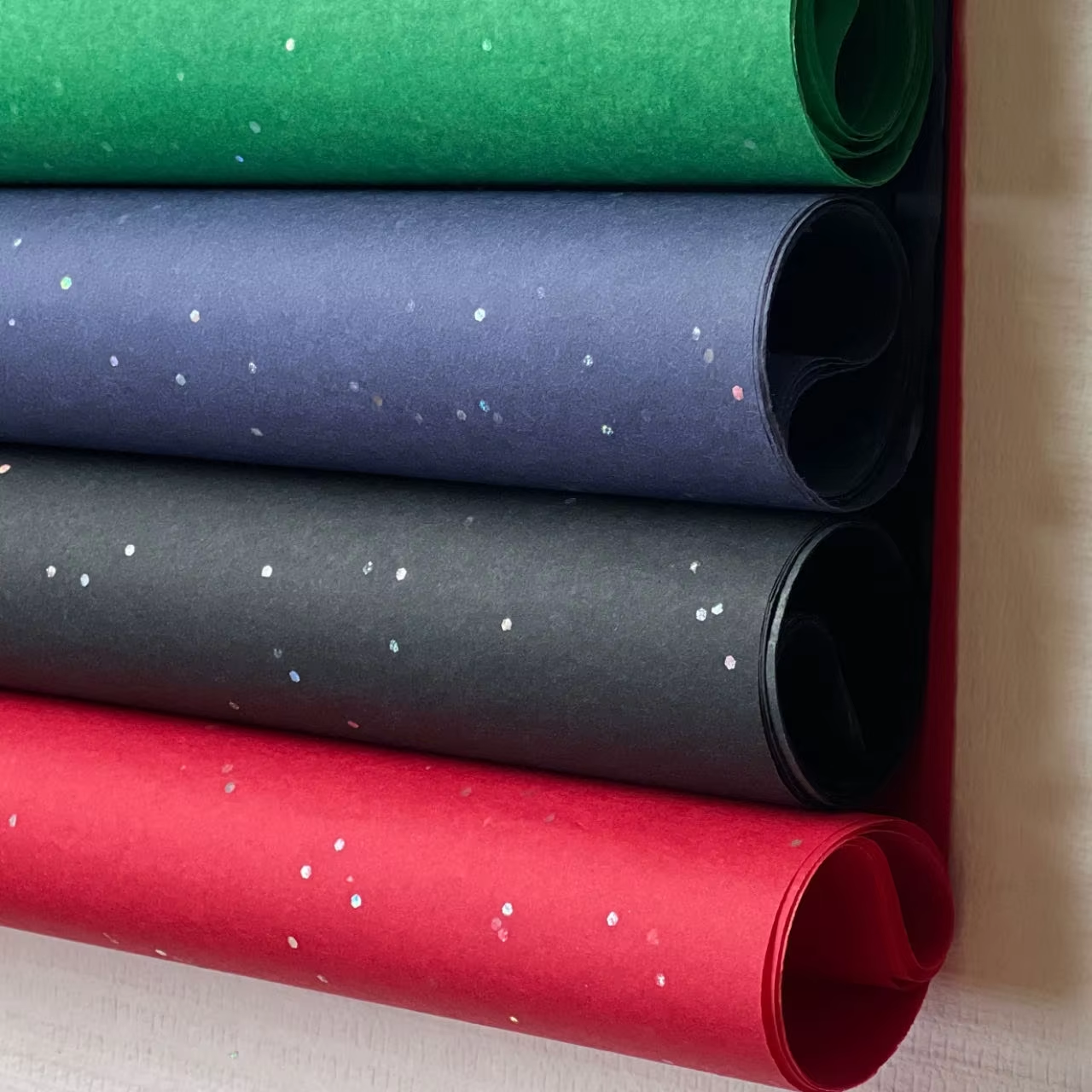
The colors we wrap gifts in actually affect how people receive them, thanks to those automatic brain reactions we have to certain shades. Gold and dark burgundy wrapping paper makes something look fancy and expensive because our brains connect those colors with quality craftsmanship. Research from the Journal of Consumer Psychology back in 2022 showed these colors make products seem worth more money. Soft pastels create a warm, friendly feeling when wrapped around presents, which is why they work so well for intimate occasions. Older established brands tend to go for forest green or navy blue wrapping instead, since those colors remind us of tradition and reliability. The semi-transparent premium tissue paper adds another layer to this whole experience. It lets just enough of the shape show through without giving everything away at once, creating that nice sense of mystery and excitement. Wrapping isn't just about covering up a present anymore. It starts setting emotions going long before someone ever gets their hands on whatever's inside.
Tactile Expectancy Theory: Why Texture and Weight Trigger Subconscious Premium Associations
The feel of materials tells us about quality long before our brains start analyzing things. Take premium colored tissue paper for instance. Usually around 35 to 50 grams per square meter with at least 20 percent cotton in there somewhere, this stuff just feels different right away compared to regular paper options. When someone runs their hands over it, the heft, how it flows gently, even the quiet crinkling noise all work together to trigger something deep in the brain. People naturally associate these textures with things that last longer and show they care about details. Standard cheap paper tends to rip easily or slide around, but good quality sheets hold up against wear and tear while wrapping around products beautifully. Opening a package becomes almost like experiencing multiple senses at once, confirming what we already suspect about value. And honestly? This goes beyond looking nice. Our brains are wired to expect certain things based on touch, and when those expectations match reality, we simply perceive higher worth without even realizing why.
The Sensory Unboxing Journey: Elevating Gifting Through Deliberate Experience Design
Slow Unboxing as Ritual: Affluent Consumers' Demand for Layered, Anticipatory Reveal Sequences
Wealthy shoppers are starting to see opening packages as something special rather than just getting their stuff out of a box. Studies show when people take their time opening things, it actually makes their brains happy by releasing dopamine, turning something ordinary into a memorable experience according to research published in Neuron back in 2021. The fancy colored tissue inside plays a big role here. It sits right in the middle of the whole process, hiding whatever's inside but making customers want to know more because of how it looks, feels, and even resists being pulled apart. This careful timing isn't rushed but also not dragged out forever, kind of like unwrapping presents at Christmas time. Companies who get this right aren't merely sending goods across town. They're creating experiences that matter to people beyond just owning another product.
Contrast & Craft: How Premium Colored Tissue Paper Complements Box Finishes and Inserts
Strategic material pairings elevate perceived craftsmanship through intentional contrast and harmony. A glossy box gains sophistication with soft matte tissue that diffuses glare; wood-grain finishes deepen their organic appeal alongside earth-toned crinkle sheets; metallic inserts shine more vividly against jewel-tone papers that reflect light with intention.
| Element | Tissue Pairing Strategy | Sensory Impact |
|---|---|---|
| Glossy Boxes | Soft matte tissue | Reduces visual glare |
| Wood-Grain Finishes | Earth-toned crinkle sheets | Enhances organic aesthetic |
| Metallic Inserts | Deep jewel-tone papers | Creates luminous reflection |
This coordination signals attention to detail—a hallmark of luxury branding. Premium tissue doesn't sit passively inside the box; it orchestrates cohesion across every surface the customer touches or sees.
Material Integrity Matters: Key Quality Benchmarks for Authentic Premium Colored Tissue Paper
Cotton Content, Brightness, and Tear Resistance: The Triad Defining True Premium Performance
What makes quality colored tissue paper stand out? Look for three key qualities that matter most. The cotton content needs to be at least 20% to give that nice soft feel while still holding up when handled. Without enough cotton, the paper tends to snag easily and loses its nice flow characteristics. Brightness is another important factor. Paper should measure over 90 ISO units so colors stay bright and true between production runs, which helps maintain brand consistency. And don't forget about strength testing. A good tissue passes the Mullen burst test with results around 35 psi or better. This means it won't tear when packed, shipped, or opened by customers. When all these factors come together properly, what starts as just wrapping material becomes something that actually communicates brand identity through touch and appearance.
Decoding Marketing Claims: Acid-Free vs. pH-Neutral — What Luxury Brands Actually Require
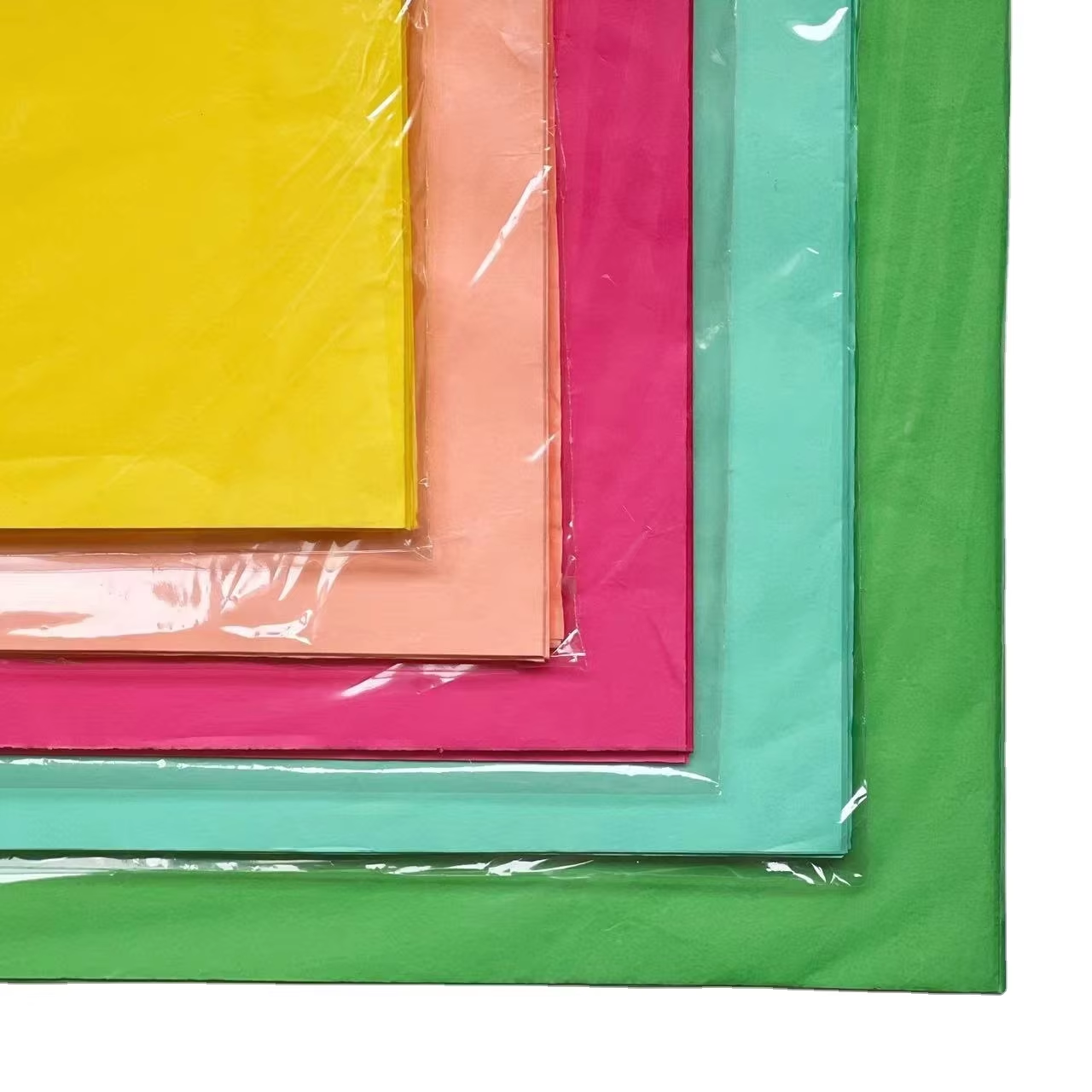
Getting the material specs right from the start saves everyone headaches down the road. For things meant to last generations like family heirlooms or valuable artworks, acid-free paper with a pH range of 7.0 to 8.5 becomes absolutely necessary. These materials stop those annoying yellow stains that develop over time. Then there's pH neutral tissue around 6.5 to 7.5 which doesn't offer quite the same protection after many years but keeps colors looking vibrant in dyed papers. Most high end products destined for gifts that won't sit in storage forever work just fine with this option. Big name producers back up their claims with actual lab tests where they speed up the aging process, plus get certified by independent organizations. Luxury brands demand these standards because damaged goods hurt their image badly. Imagine finding out that a precious silk scarf has transferred dye onto another fabric during shipping - that kind of mistake destroys customer confidence completely. That's why serious companies spend so much time checking every detail before production even starts.
Proven Business Impact: ROI of Upgrading to Premium Colored Tissue Paper
Case Study: Luxury Candle Brand's 23% Repeat Purchase Uplift After Custom-Dyed Tissue Rollout
When a high-end candle company swapped out regular tissue for custom dyed cotton blend tissue paper, their repeat sales jumped 23% over just six months. Interviews with customers showed that nearly 7 out of 10 people coming back bought again because they loved "the feeling of opening something special." The consistent look across all packaging, especially those signature colored tissues, really stuck in people's minds. Brand recognition went up about 80% according to research from Marketing Science Institute back in 2023. What's interesting is how this change cut down on shipping damage complaints by 31%. No more last minute swaps for different materials when packing orders either, which saved money and made everything feel more valuable to customers. Looking at it this way, spending on quality tissue isn't just another line item on the budget sheet. It actually pays off in building customer loyalty while keeping costs under control through better experiences overall.
Table of Contents
- The Psychology of First Impressions: How Premium Colored Tissue Paper Shapes Perceived Value
- The Sensory Unboxing Journey: Elevating Gifting Through Deliberate Experience Design
- Material Integrity Matters: Key Quality Benchmarks for Authentic Premium Colored Tissue Paper
- Proven Business Impact: ROI of Upgrading to Premium Colored Tissue Paper