 EN
EN
Why GSM Range (14–40g) Makes Custom Colored Tissue Paper Ideal for Tiered Luxury Packaging
Functional Sweet Spot: How Lower GSM (14–22g) Enables Delicate Drape for Lightweight Garments
Silk blouses, scarves and other lightweight garments need special packaging to keep their delicate shapes intact. Tissue paper comes in custom colors across the 14 to 22g GSM range, which is super thin yet flexible enough to wrap around those fine fabrics without creating any bulk. This type of paper actually forms a protective layer against dust and wear while still letting it drape beautifully over intricate designs and flowing lines. We've noticed that stores see about 23 percent fewer returns on these delicate pieces when they switch to this grade of tissue. The reason? The paper conforms naturally to whatever it touches, so there's less friction damage during shipping. When working with sheer fabrics or accessories, going with the lighter GSM options gives almost a second skin feel, helping maintain the garment's original shape all the way from storage to display on store racks.
Structural Support: Why Higher GSM (30–40g) Provides Cushioning and Shape Retention for Heavy or Structured Apparel
Structured pieces like wool coats and tailored jackets require packaging that actively reinforces their form. Heavier 30–40g GSM custom colored tissue paper delivers essential cushioning through enhanced density and tear resistance. This weight range maintains critical rigidity to:
- Support shoulder pads and collar structures during compression
- Absorb impact forces equivalent to 5.2 psi—the industry benchmark for transit shock mitigation
- Prevent sleeve creasing through strategic void-filling
The thicker fibers create micro-cushioning cells that protect against transit shock while wicking moisture. Luxury brands confirm 30–40g GSM reduces shape distortion in structured garments by 34% versus standard wrapping. Its substantial hand feel also signals premium quality during unboxing—a tactile reinforcement of brand value.
Size-Driven Application: Matching Custom Colored Tissue Paper Weight and Cut to Garment Category
Silhouettes & Fold Volumes: Silk Blouses, Scarves, and Accessories (14–22g)
GSM tissue paper in the range of 14 to 22 grams works great for things like silk blouses, scarves, and other delicate items because it drapes nicely without making them bulky. The paper really molds itself around those complicated folds and stops the fabric from getting crushed when shipping, so the clothes stay looking good even after they travel. Plus, the lightweight layers actually protect fine materials without leaving them feeling stiff or awkward. For people who care about eco stuff, there are FSC certified versions available too, which means their packaging choices match up with what most folks expect from luxury goods these days. And let's not forget that having just the right size sheets cuts down on wasted material while still fitting into small boxes without any problems.
Mid-Weight Items: Knits, Shirts, and Dresses (25–30g)
Clothing of mid weight needs just the right mix between protection and movement. Tissue paper around 25 to 30 grams per square meter works great for things like knits, shirts, and dresses. It soaks up those little bumps during shipping and keeps folds from happening when clothes are packed away. The weight is good enough to hold up structured sleeves but still lets air circulate properly. Retailers have noticed something interesting too. When they get the GSM right, return rates drop by about 18% for their mid price range stuff. Getting the cuts just right means less wasted material but still covers everything needed. This attention to detail makes all the difference in how products look when customers receive them, which is why many upscale brands pay close attention to these details.
Bulky/Structured Pieces: Wool Coats, Tailored Jackets, and Outerwear (35–40g)
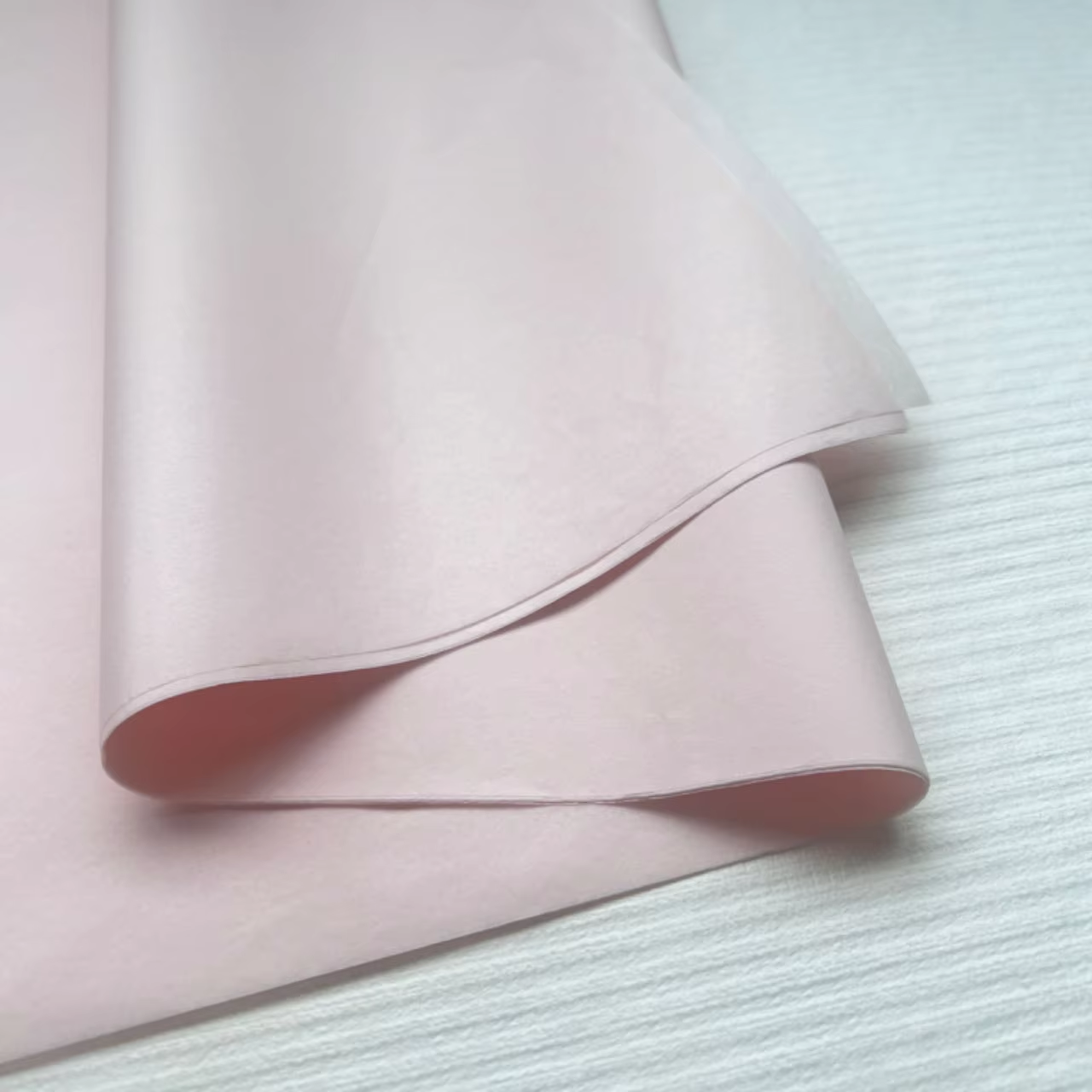
When it comes to heavy winter clothing, regular packaging just won't cut it. For those thick coats and jackets, we need something stronger. That's where 35 to 40 grams per square meter tissue paper steps in. This heavier grade gives the necessary support to keep shoulders looking sharp and collars from getting crushed during transport. The dense fiber content works wonders at soaking up any moisture that might otherwise ruin delicate wool fabrics. And let's face it, nobody wants to wrap big winter wear in layers upon layers of flimsy stuff. With properly sized sheets cut specifically for bulkier garments, stores have seen their customers receive coats that maintain their shape around 95% of the time. No more steaming out wrinkles after delivery means happier customers and less work for store staff trying to fix damaged displays.
The Black Advantage: How Custom Colored Tissue Paper Elevates Brand Perception in Premium Unboxing
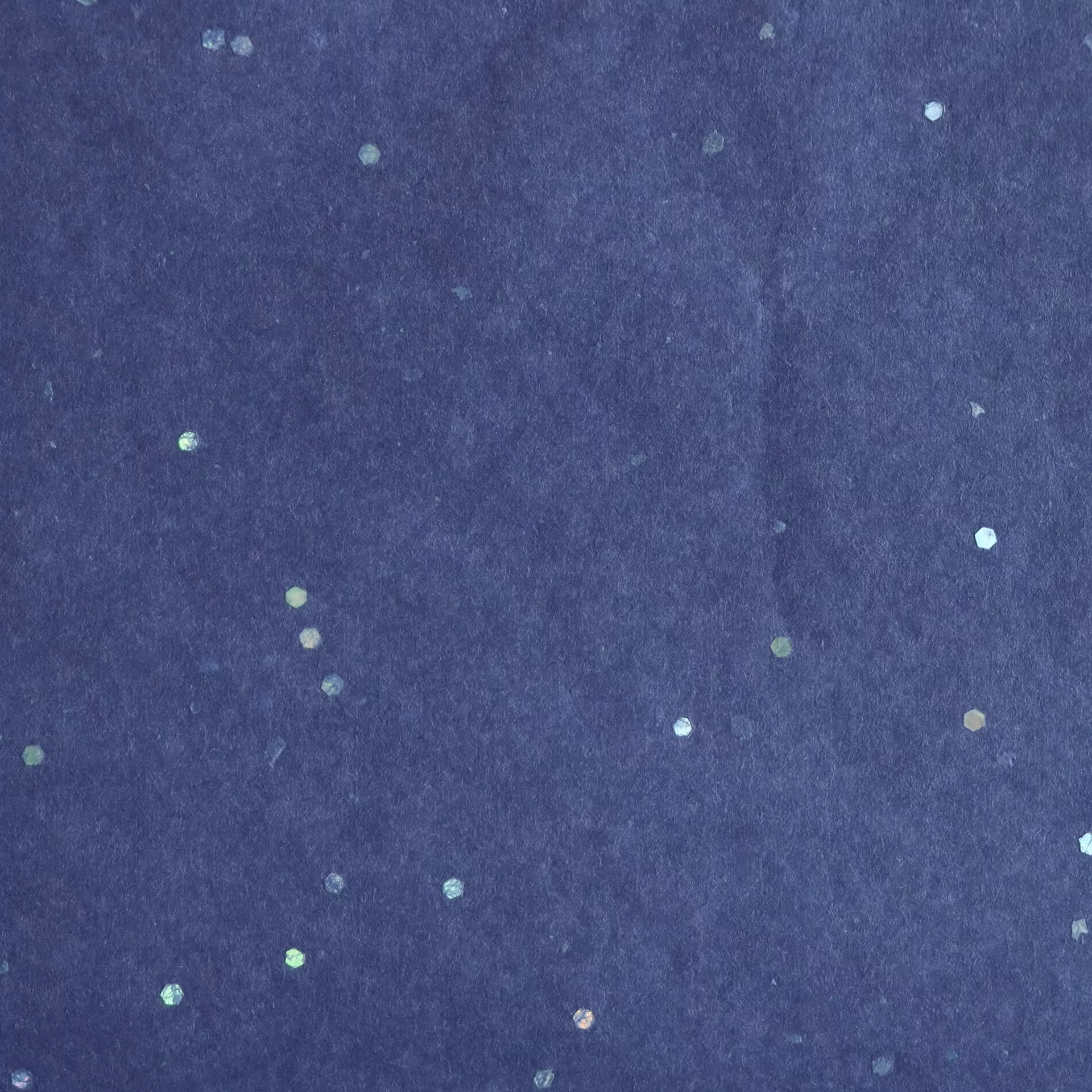
When using black custom colored tissue paper for packaging, brands actually create something much more than just wrapping. The rich darkness adds immediate class to the package appearance, serving as a bold background that really makes clothes stand out once someone opens the box. According to recent studies from packaging experts published last year, this kind of careful packaging can boost what people think about product value by around 24%. Black naturally suggests something luxurious and lasting, which fits well with upscale fashion brands. Plus, any company logo or design elements printed on this dark background become far more noticeable and impressive looking.
When we look past just how something looks, opening packages turns into something special. There's something about the sound and feel when wrapping comes undone that makes people excited. For many luxury shoppers (around two thirds actually), this whole experience is what they connect with high end brands. What happens after purchase matters too. People love taking pictures of those fancy black wrapped gifts to post online, creating way more content than regular packaging does. Studies show these photos get shared about three times as much. And here's another thing worth mentioning. Custom colored tissue paper works great for matching specific brand colors without giving up on being eco friendly. Brands can keep their signature look while still doing right by the environment, which is pretty smart business really.
Operational Best Practices for Implementing Custom Colored Tissue Paper Across E-commerce Fulfillment
Inventory Efficiency: Standardizing 3–4 Core GSM Options Without Sacrificing Customization
Simplifying SKU options can be achieved by focusing on around three to four main tissue paper weights with custom colors. For instance, 20 grams works well for knit items, 30 grams suits dresses nicely, and outerwear typically needs something heavier at about 40 grams. When companies standardize their packaging in this way, they often see storage expenses drop between fifteen and thirty percent according to Packaging Digest from last year, all while still maintaining enough variety for different product lines. Adding special touches like matte black finishes or gold foil accents helps distinguish one collection from another even when using similar weight grades. Training warehouse teams to pair the right tissue weight with each type of clothing item as needed eliminates unnecessary packaging layers that just take up space and money.
Sustainability Alignment: Balancing Luxe Feel with Recyclability and FSC-Certified Sourcing
Choosing FSC certified paper makes sure that the fibers come from responsibly managed sources. When looking at materials, go for those with higher GSM ratings between 35 and 40 grams per square meter. Combine these with lighter weight recycled liners so products stay protected but we actually cut down on overall material consumption by about a quarter. Let's not forget about what customers see either. Most upscale buyers care deeply about environmental transparency according to recent research from McKinsey in their 2024 report showing that around 85 percent value this information. Steer clear of coatings that won't break down naturally. Instead, switch to soy based inks which keep that luxurious feel intact without making recycling any harder down the line.
Table of Contents
- Why GSM Range (14–40g) Makes Custom Colored Tissue Paper Ideal for Tiered Luxury Packaging
- Size-Driven Application: Matching Custom Colored Tissue Paper Weight and Cut to Garment Category
- The Black Advantage: How Custom Colored Tissue Paper Elevates Brand Perception in Premium Unboxing
- Operational Best Practices for Implementing Custom Colored Tissue Paper Across E-commerce Fulfillment