 EN
EN
Grammage Fundamentals: Matching 14g–40g Custom Colored Tissue Paper to Product Size & Function
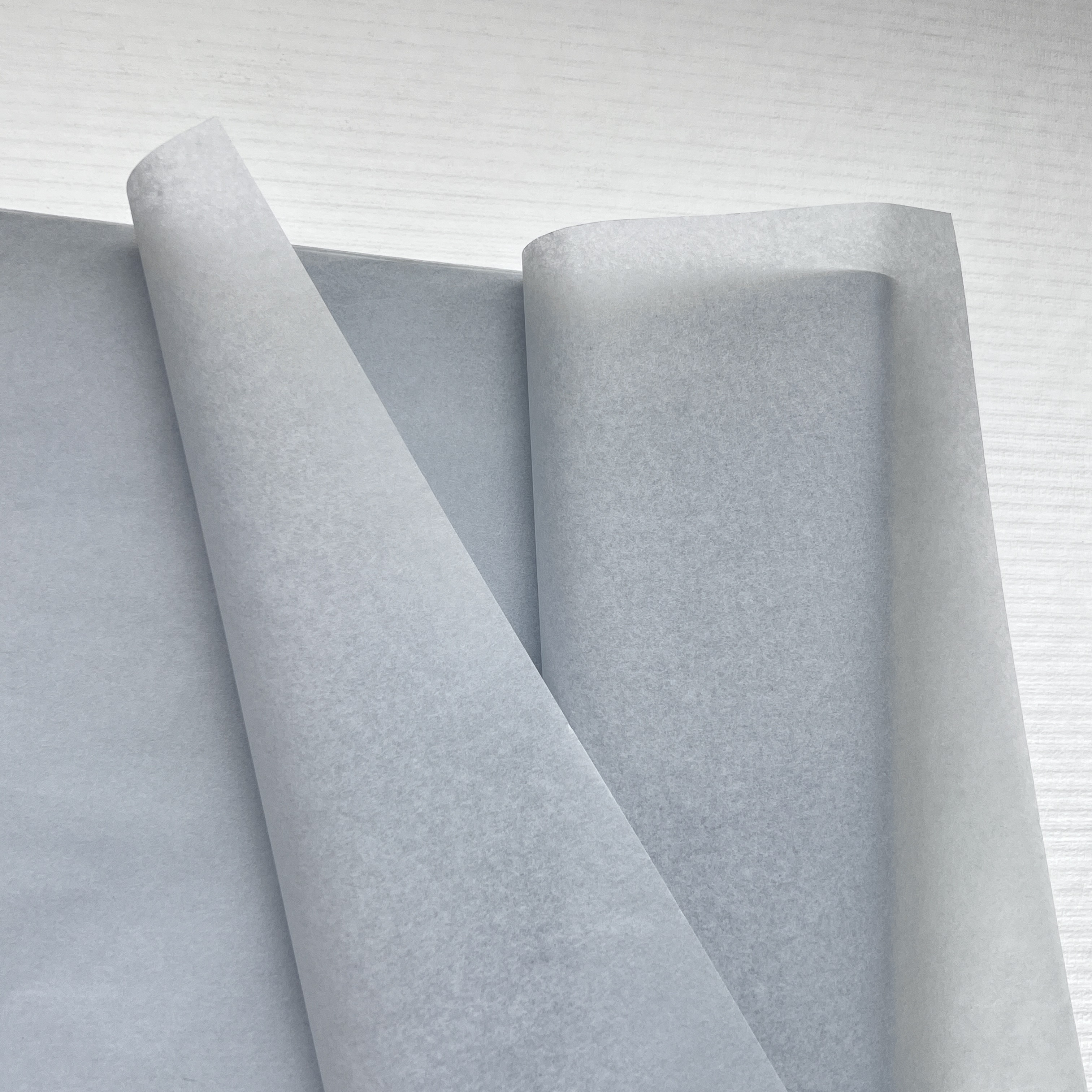
Picking the right grammage (GSM - grams per square meter) when ordering custom colored tissue paper makes all the difference for protecting products during shipping, how they look when presented, and even affects shipping costs. Most folks work within the 14g to 40g range generally speaking. The lighter stuff works great for things that are fragile or delicate, whereas the thicker papers hold up better against bigger packages or expensive items that need extra support. Getting this right matters because if the paper isn't suited to what's inside, packages can get damaged in transit. And let's face it, nobody wants their customer opening a box only to find something broken. A good match between paper thickness and item characteristics not only keeps products safe but also creates that nice moment when someone unwraps their purchase without tearing anything apart.
Why Lighter Weights (14–20g) Excel for Small, Delicate Items
Tissue paper weighing between 14 to 20 grams offers soft, flexible protection that works great for things like jewelry boxes, makeup containers, and other delicate stuff we ship these days. What makes this stuff special is how easily it wraps around complicated shapes such as those fancy perfume bottles or tiny earring sets without making everything look bulky or hiding what's inside. The paper lets customers see through it pretty well, which matters a lot when showcasing products. Plus, since it doesn't weigh much at all, companies can save money on shipping costs too. We've seen numbers showing that cutting just 5 grams from packaging materials across large shipments can cut freight bills by about 3 percent. And don't worry about durability either. This particular weight range holds up against normal handling for items below 200 grams, keeping colors bright even after folding or stacking multiple layers together during transport.
Why Heavier Weights (30–40g) Provide Structural Support for Large or Heavy Products
Tissue paper weighing between 30 to 40 grams provides much denser cushioning that resists crumpling. Tests show it absorbs about 40 percent more impact energy than lighter options when put through standard packaging stress assessments. With higher fiber density, these papers form stable layers that hold things together better. They keep sharp corners from poking through, stop items from shifting inside packages, and stay intact even around tricky shapes such as flower pots or smartphone cases. When shipping anything over one kilogram, switching to this heavier weight can cut down on damaged goods by roughly 35% versus regular wrapping stuff. Plus, the thicker texture gives off a nicer feel when someone opens the box, which is why many brands choose it for packing delicate electronics, fragile glass items, and those fancy hardback novels people love collecting.
Precision Scaling: Pre-Cut and Die-Cut Custom Colored Tissue Paper for Dimensional Accuracy
Pre-Cut Solutions Reduce Waste in High-Volume E-Commerce Fulfillment
Using pre cut tissue paper in colors means no more cutting by hand when wrapping products. The sheets come in standard sizes like 20 by 30 inches, which just happen to match most boxes we see on shelves today, from clothing packages to fancy gift boxes. A report from the Sustainable Packaging Alliance back in 2023 found that these ready made sheets actually reduce waste by somewhere around 15 to 20 percent. When companies run their automated packing systems, these pre cut sheets work really well with the machines already there. Warehouse staff can handle about 30% more orders each hour because of this. During busy times like holidays or sales events, being able to pack faster makes all the difference. Faster packing means happier customers getting their stuff sooner and better bottom line numbers for the business overall.
Die-Cut Custom Colored Tissue Paper Ensures Snug Fit for Irregular Shapes
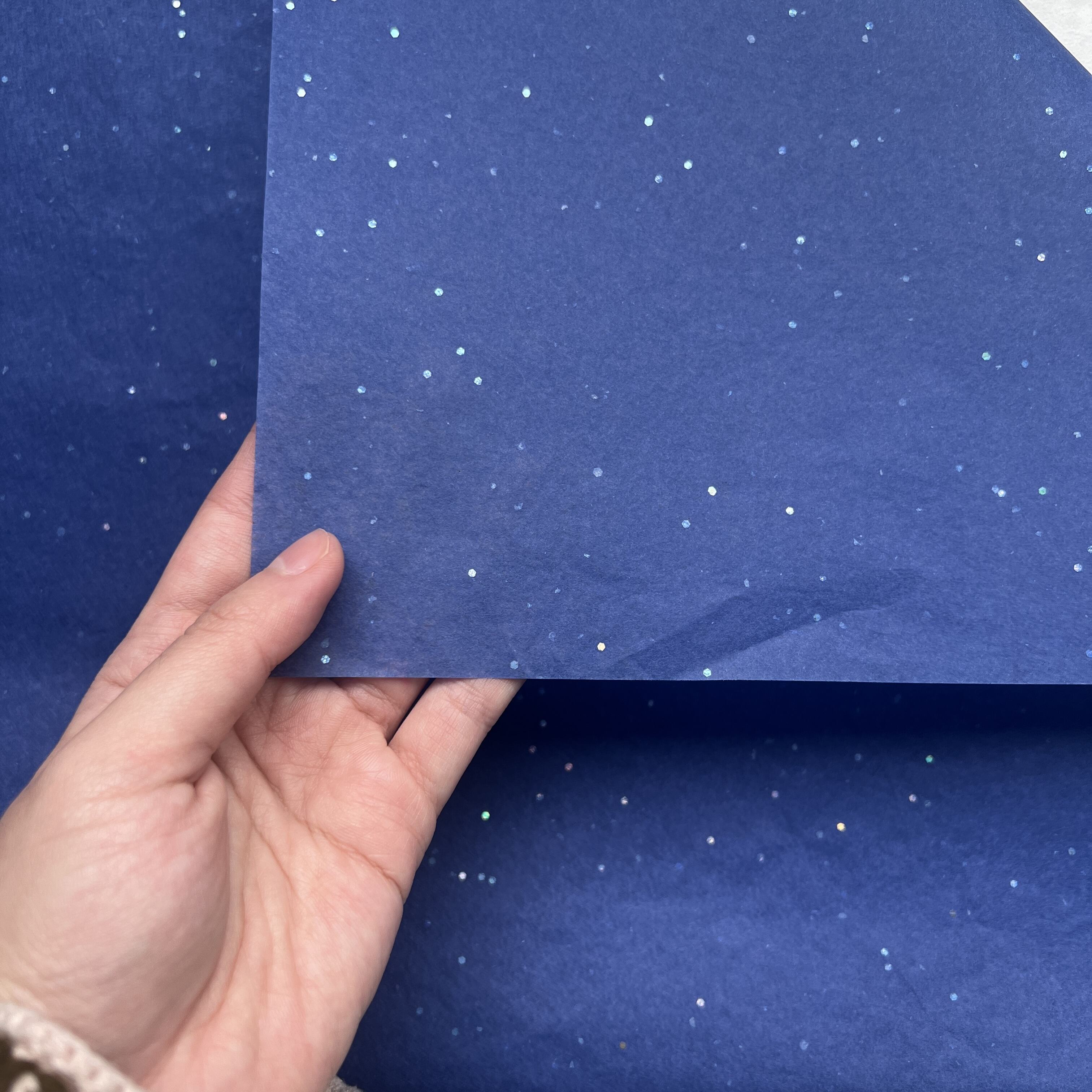
When dealing with irregular products like makeup containers, gadgets, or handcrafted items, die cut tissue offers wrapping that fits almost exactly to each item's shape. These laser cut designs act as protective shells keeping things secure during shipping while cutting down on materials needed by around forty percent compared to regular packaging methods according to last year's E Commerce Logistics findings. The tight fit looks better too since it wraps around rounded surfaces such as fragrance flacons or earbuds without creating messy creases or extra bulk. Retailers who sell tech stuff have seen their customer complaints drop by twenty two percent once they started using these custom cut packages. What makes this work so well is how the dyes get absorbed evenly throughout different thicknesses of paper ranging from lightweight 14 gram stock right up to heavy duty 40 gram material. Brands can maintain their signature look no matter what strength of paper they need for protection versus presentation purposes.
| Packaging Benefit | Pre-Cut Tissue | Die-Cut Tissue |
|---|---|---|
| Material Waste Reduction | 15–20% | 40% |
| Fulfillment Speed Gain | 30% faster processing | N/A (custom production) |
| Damage Prevention | Moderate | 22% reduction |
Color Integrity Across the Weight Spectrum: Ensuring Consistent Branding from 14g to 40g
Keeping the same brand colors throughout the entire weight range from 14g to 40g matters a lot for maintaining strong brand recognition. The thing is, thicker paper absorbs dyes in different ways compared to those super light versions we work with. When printers aren't properly calibrated, there's a real chance of seeing color differences pop up between things like our lightweight jewelry wrap and those heavy duty gift box liners. That's why we invest in special printing techniques and careful pigment adjustments to get consistent coloring no matter what the paper thickness happens to be. Consistent coloring protects our brand value too. Our signature coral color stays true whether it's wrapping around tiny earrings at 14g or forming part of a fancy gift set at 40g. Get this wrong and customers start noticing inconsistencies in packaging, which hurts trust over time. Some studies actually put the financial impact somewhere around $740k according to research done back in 2023 by the Ponemon Institute on brand consistency issues.