
 EN
EN
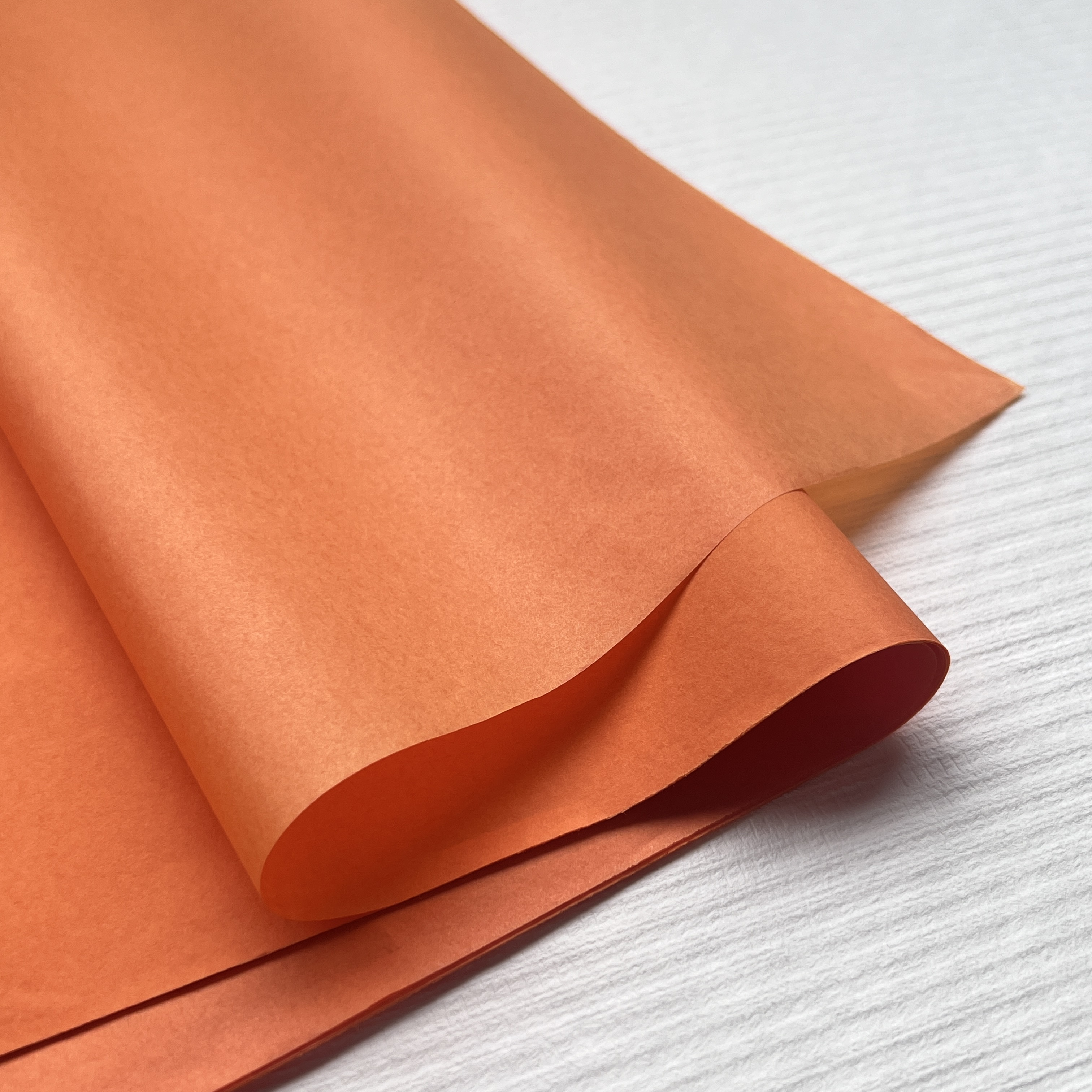
What FSC Certification Means for Colored Tissue Paper
How FSC Ensures Ethical Fiber Sourcing Without Compromising Color Quality
The Forest Stewardship Council or FSC certification ensures that colored tissue paper comes from forests managed according to strict environmental and social guidelines. These standards help protect biodiversity and respect the rights of indigenous communities who live near these forests. The organization's chain of custody tracking follows each fiber from tree to final product, so companies can source materials ethically without compromising on color quality or printing results. Today's dye infusion methods involve adding water based pigments right into the pulp itself. This creates a strong bond between colors and cellulose fibers which stops them from bleeding or fading when products get converted or recycled later. Some top mills actually maintain around 99.5% color consistency across different production runs while meeting all FSC traceability rules. This shows clearly that being sustainable doesn't mean settling for lower quality aesthetics in paper products.
FSC vs. PEFC and SFI: Why FSC Stands Out for Brand-Ready Colored Tissue Paper
When sourcing colored tissue paper, FSC's transparent, multi-stakeholder governance distinguishes it from PEFC's industry-led model and SFI's weaker protections for old-growth forests. Three key differentiators make FSC the strongest choice for brands committed to verifiable impact:
- Verification rigor: FSC mandates third-party forensic fiber testing; PEFC and SFI rely primarily on supplier self-reporting
- Chemical thresholds: FSC prohibits over 240 hazardous substances in dyes—50% more than either PEFC or SFI
- Social compliance: FSC requires living-wage audits across the supply chain, whereas SFI's equivalent provisions remain voluntary
These enforceable standards help brands avoid greenwashing. Products carrying FSC's "100%" label generate 34% higher consumer trust scores than PEFC-certified alternatives (Packaging Insights 2023). For companies targeting ESG-conscious buyers, FSC delivers unmatched market differentiation through independently verified stewardship.
Sustainable Coloring: Ink, Dye, and Chemical Transparency in Colored Tissue Paper
Water-Based, Soy-Based, and Natural Pigments: Safe, Recyclable, and Compost-Compatible Options
When it comes to coloring tissue paper sustainably, water based, soy based, and natural pigments stand out as top choices. Water based inks get rid of those pesky petroleum solvents, which cuts down on volatile organic compounds (VOCs) by around 60% compared to regular inks, and still keeps the colors looking bright. Soy ink is another winner since it comes from renewable soybean oil. These inks perform just as well as their synthetic counterparts but break down about four times quicker in industrial composting systems. Then there are natural pigments extracted from plants and minerals that don't contain any harmful heavy metals. This makes them compatible with most recycling programs and works great with facilities that follow ASTM D6400 standards. All these options help maintain the quality of fibers when they go through the pulping process, resulting in pulp recovery rates often exceeding 95%. Plus, none of these alternatives pose a risk of chemicals seeping into the soil after disposal.
Hidden Contaminants to Avoid — Foil, Metallics, and Synthetic Coatings That Block Circularity
When it comes to tissue paper, foil stamps, metallic touches, and those synthetic coatings really mess with circular economy goals even if the base product seems eco-friendly. The problem starts with those metallized polyester films getting mixed into recycling streams. They not only cut down on pulp yields by around 30 to 40 percent but also create major headaches at MRFs where they jam sorting machines. Then there are those UV cured acrylic coatings forming these stubborn microplastic layers that just won't break down for hundreds of years. That means products can't even get certified under standards like EN 13432 for composting. Even thin petroleum based laminates interfere with how oxygen moves through materials when trying to decompose aerobically, which knocks them off most industrial composting lists. And let's not forget these additives bring along harmful stuff like phthalates and bisphenols polluting our environment. If we want genuinely sustainable options, better go for plain tissue paper with water soluble glues instead of anything with metal or plastic treatments added.
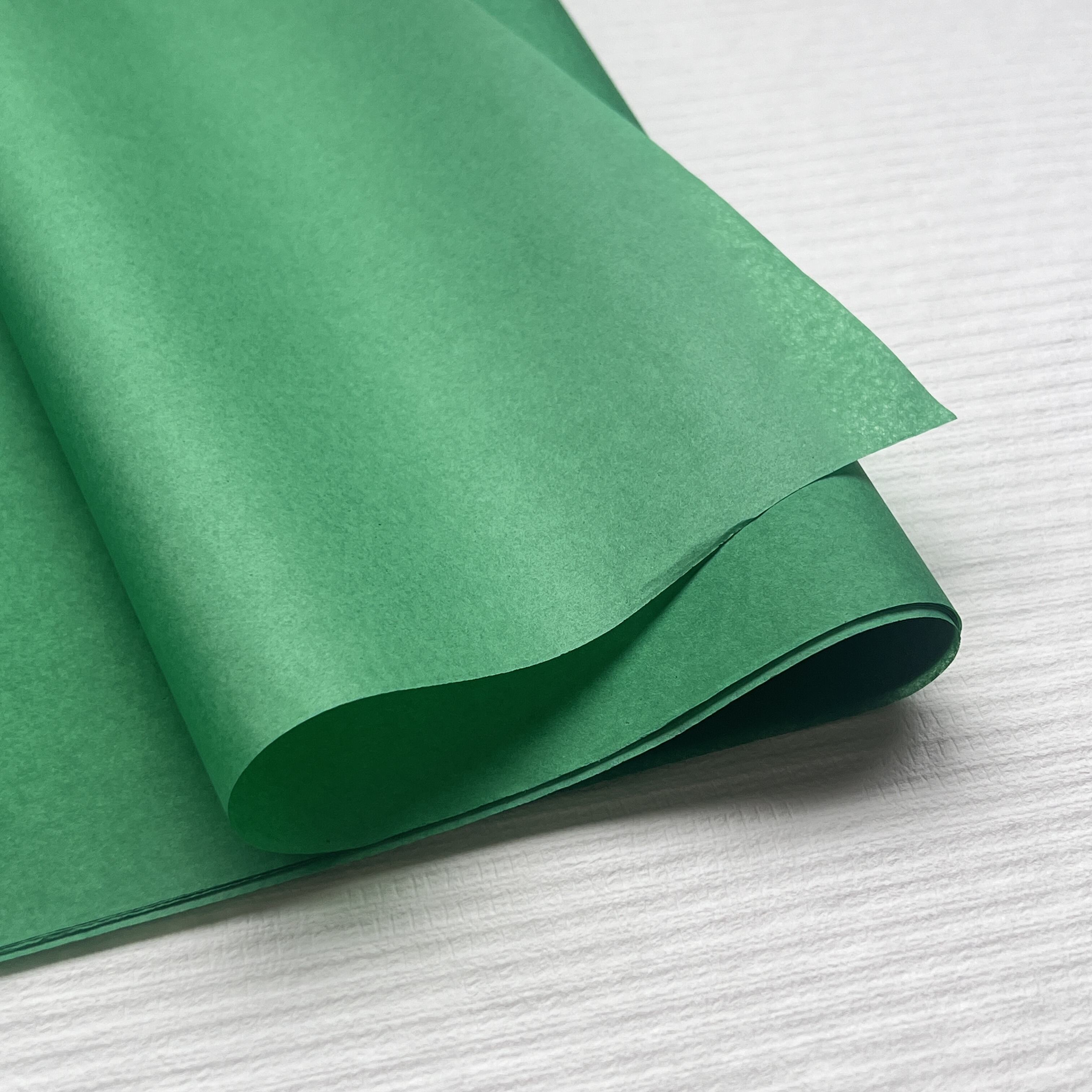
End-of-Life Performance: Can Colored Tissue Paper Be Recycled or Composted?
ASTM D6400 & EN 13432 Verification: When Dyed Tissue Meets Industrial Composting Standards
Colorful tissue paper might actually decompose in industrial settings, but this happens only if it meets certain standards like ASTM D6400 here in the US or EN 13432 across Europe. What these standards really mean is that after around six months, everything needs to turn back into nature without leaving behind anything harmful. To pass these tests, manufacturers need to work with colors made from plants and binding agents that dissolve in water rather than those that stop microbes from doing their job. The catch? If there's even a tiny bit of foil, metal sheen, or synthetic stuff added anywhere, then forget about getting certified no matter where the fibers came from originally. When tossed into proper compost piles running hot at least 60 degrees Celsius, these approved papers will vanish pretty quickly turning into rich soil material. For companies wanting to claim their products are eco friendly, they'd better ask for actual lab results showing at least ninety percent breakdown over time so customers know what they're buying isn't just greenwashing.
Recycling Realities: How Color Load and Ink Chemistry Affect Pulp Recovery Rates
Colored tissue paper just doesn't play well when it comes to recycling. The dark colors and flood coat printing really mess with the fibers, sometimes leading to as much as 40% loss during the repulping process. Water based inks usually work fine for recycling purposes, but those solvent based ones? They end up contaminating whole batches of pulp and most places won't take them at all. Tissue has these super thin fibers that literally fall apart faster than what we see in regular cardboard or office paper, making recovery even harder. A lot of Material Recovery Facilities simply toss tissue aside because it's tough to sort through and doesn't bring much money on the market. For anyone thinking about using tissue based packaging, there are some basic rules to follow if recycling matters: keep color coverage below 5%, stick with soy or water based inks only, and always check first with local recycling centers about their specific policies before finalizing any packaging decisions.