 EN
EN
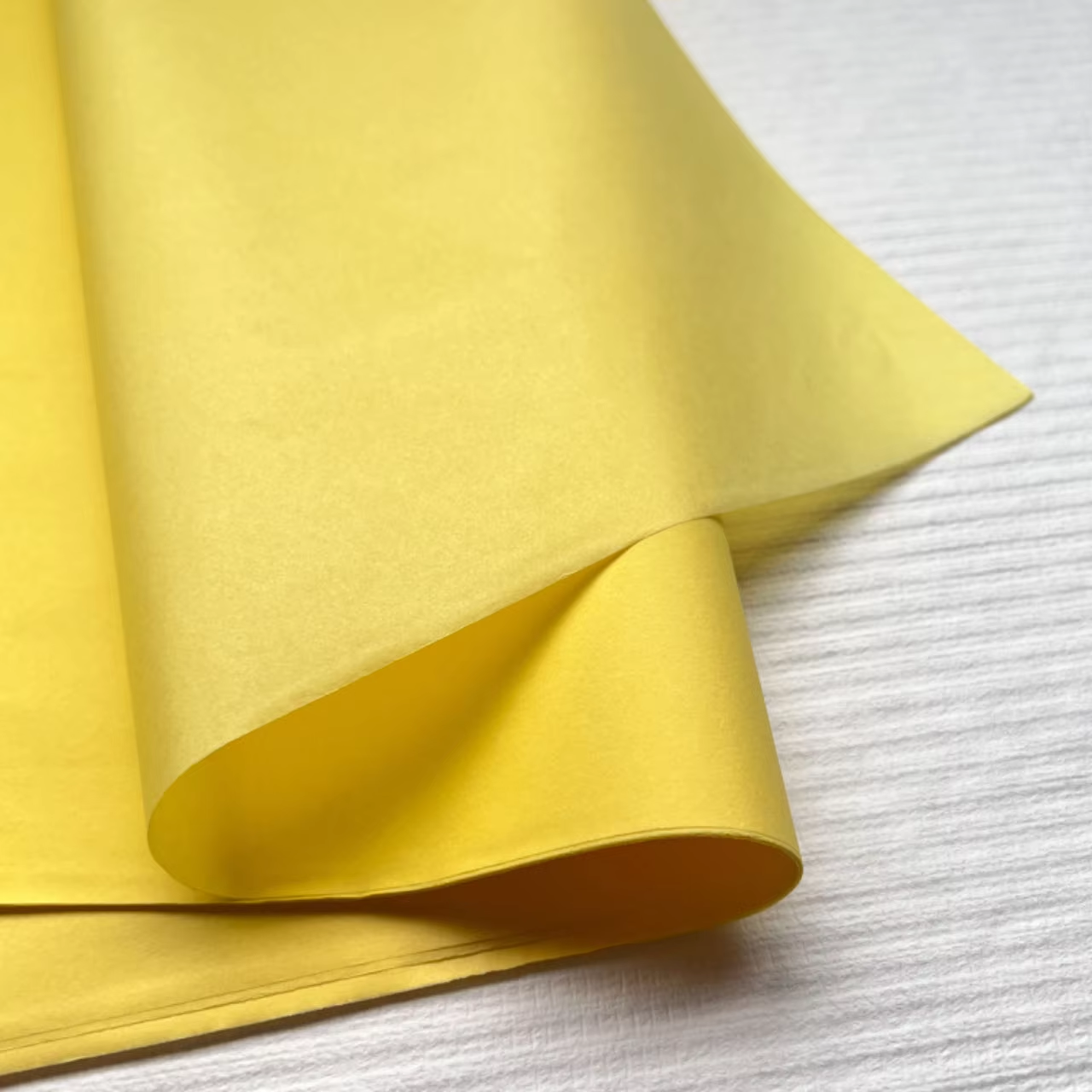
What GSM Means for Colored Tissue Paper Performance
GSM Defined: How Grams per Square Meter Determines Functional Properties
The GSM rating, which stands for Grams per Square Meter, basically tells us how dense paper is by measuring how much fiber weighs in a given area. This number actually determines most of what makes colored tissue paper work the way it does - things like how thick it feels, how long it lasts before tearing, how flexible it bends, and even how it handles when someone touches it. When the GSM number goes up, we get something thicker and tougher that works great for stuff needing support or protection. Lower numbers mean really light stuff that can bend almost any way without breaking, perfect for those fancy displays where appearance matters most. People who work with these materials day in and day out pick their GSM based on what they need most. Florists want stuff that won't rip during arrangements, whereas gift wrappers look for tissues that flow nicely and show off colors just right. Since this one number affects everything from how well the product performs to how much money ends up on the bottom line, most businesses treat GSM as their starting point when buying bulk quantities or designing new products.
Why Weight Directly Impacts Transparency, Drape, Strength, and Printability
Four key attributes shift predictably with GSM:
- Transparency: Lower-GSM tissue becomes increasingly translucent—14g achieves ~80% light transmission, while 26g drops to ~30%.
- Drape: Thinner sheets conform fluidly to contours; heavier weights hold shape and resist sagging.
- Tensile strength: Each 5g increase typically improves tear resistance by ~40%, per ASTM D646 testing protocols.
- Print fidelity: Higher GSM reduces ink bleed-through and supports sharper halftone reproduction, critical for branded packaging.
These consistent relationships enable precise material selection—archival applications demand high-GSM stability, while retail wrapping often leverages 17g's balanced cost-performance profile. Manufacturers tightly control GSM tolerances during production to ensure this predictable behavior across batches.
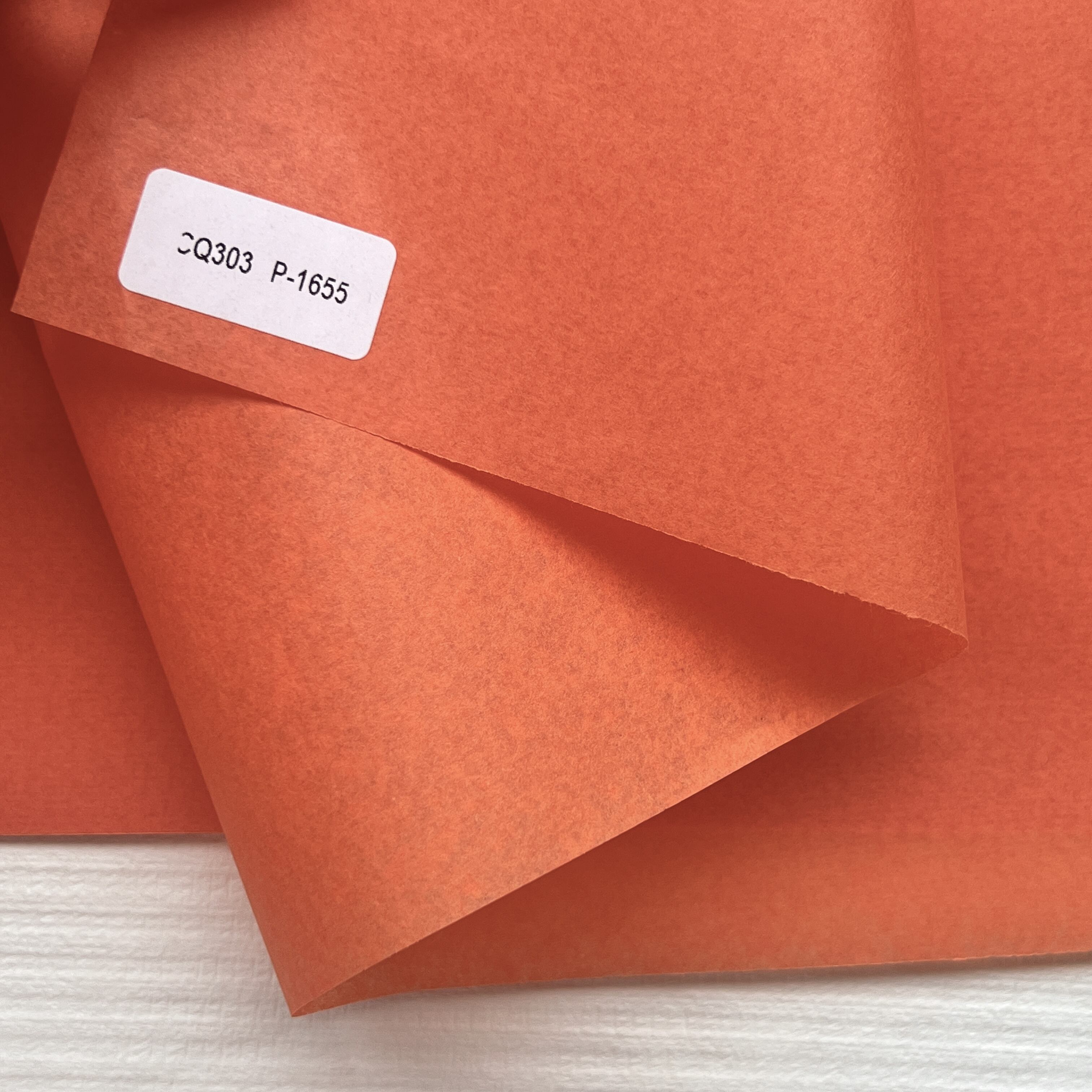
14g Colored Tissue Paper: Premium Delicacy for High-End Presentation
Ideal Uses: Luxury gift layering, bridal veils, and fine-art conservation
Weighing in at only 14 grams per square meter, this incredibly light colored tissue paper brings a level of elegance that's hard to beat when looks matter more than strength. The way it drapes feels almost featherlight, making it perfect for those fancy unboxing moments where color adds depth without any real weight to speak of. Wedding dressmakers love using it for veils because it flows naturally with how people move. Museum staff and art restorers stock up on the acid-free version specifically for 14g sheets since they need something gentle enough to protect delicate artworks or old fabrics without scratching them. Paper conservationists appreciate the fact that these tissues meet all the archival standards too. Beyond special events, florists find it works wonders for wrapping bouquets, and high fashion brands use it for gift boxes where anything stiff would just ruin the whole look they're going for.
Trade-offs: Minimal opacity and handling sensitivity — when to choose (and avoid)
The super light weight comes at a cost when it comes to functionality. Because it lets through so much light, 14g tissue doesn't hide much visually, which means it won't cover up flaws or protect privacy where needed. Another issue? This stuff breaks easily under physical strain. Some factory tests actually found that automatic packing machines tear this tissue about 9 out of 10 times. So what works best? Save 14g for specific jobs like hand wrapping gifts at stores, preserving delicate museum items, or packing those fancy but fragile wedding accessories that need something light yet protective.
Avoid it when:
- Packages require puncture or impact resistance
- Items exceed 0.5kg and risk compression damage
- Full light-blocking or opacity is needed
- Humidity exceeds 60% RH, which compromises fiber integrity
| Application | Recommended | Not Recommended |
|---|---|---|
| Protection Level | Light surface buffering | Impact resistance |
| Handling Method | Manual processing | Automated systems |
| Visibility Needs | Transparent accent | Opaque coverage |
17g Colored Tissue Paper: The B2B Standard for Balanced Performance
Why 17g Dominates E-commerce Packaging and Retail Gift Wrapping
The 17g version has become something of a gold standard in the industry, offering good durability while still looking great when presented to customers. According to testing standards from ASTM D646, this paper can handle about 20 percent more wear and tear compared to the lighter 14g option. That means around 25 to 30 percent fewer damaged packages during shipping according to recent research published by IoPP back in 2023. Most stores prefer this weight for wrapping gifts since it keeps those neat folds intact, doesn't easily crease when handled, and keeps colors vibrant even after being folded and unfolded multiple times throughout the day. For businesses running large scale operations where both how things look matters just as much as keeping products safe during transport, the 17g remains the go to choice.
Cost-efficiency, compatibility with automated packing systems, and brand consistency
17g tissue optimizes operational performance across three critical dimensions:
- Automation Compatibility: Sufficiently robust to feed reliably through high-speed wrapping and stuffing machines—unlike 14g—yet thin enough to avoid jams common with heavier weights.
- Material Efficiency: Uses 30% less fiber than 26g alternatives while outperforming 14g in tensile strength and opacity—lowering raw-material cost per unit without compromising function.
- Brand Integrity: Provides adequate opacity for logo visibility, resists scuffing in transit, and delivers uniform appearance across thousands of units—essential for scalable brand execution.
This convergence of durability, efficiency, and visual consistency solidifies 17g as the backbone of modern commercial packaging operations.
26g Colored Tissue Paper: Heavy-Duty Applications Requiring Durability
Structural uses: Craft sculpting, archival box lining, and protective industrial wrapping
Colored tissue paper at around 26 grams per square meter starts acting more like a useful material than just something pretty to decorate with. The fibers are packed tighter together which gives it enough strength for crafting projects where things need to hold their shape. Think about those delicate paper flowers or multi-layered art pieces that don't fall apart when glued together. For keeping documents safe over time, this thickness works really well too. It stops moisture from getting through, keeps dust out, and prevents acids from migrating into whatever's being stored. That matters a lot for preserving important papers or historical artifacts. When it comes to industrial uses, manufacturers rely on 26g tissue to protect big electronic parts, wrap around machine components, and line boxes during shipping. Tests show it can resist punctures about 40% better than lighter versions. What makes it stand out compared to thinner options is how it stays flat and doesn't warp when compressed, plus the colors stay vibrant even after sitting in storage for months. This combination of looks and durability explains why so many brands choose it for their product packaging needs.