
 EN
EN

What Is Colored Tissue Paper — and Why It's Truly Eco-Friendly
Plant-Based Fibers and Non-Toxic Dyes: The Foundation of Sustainable Color
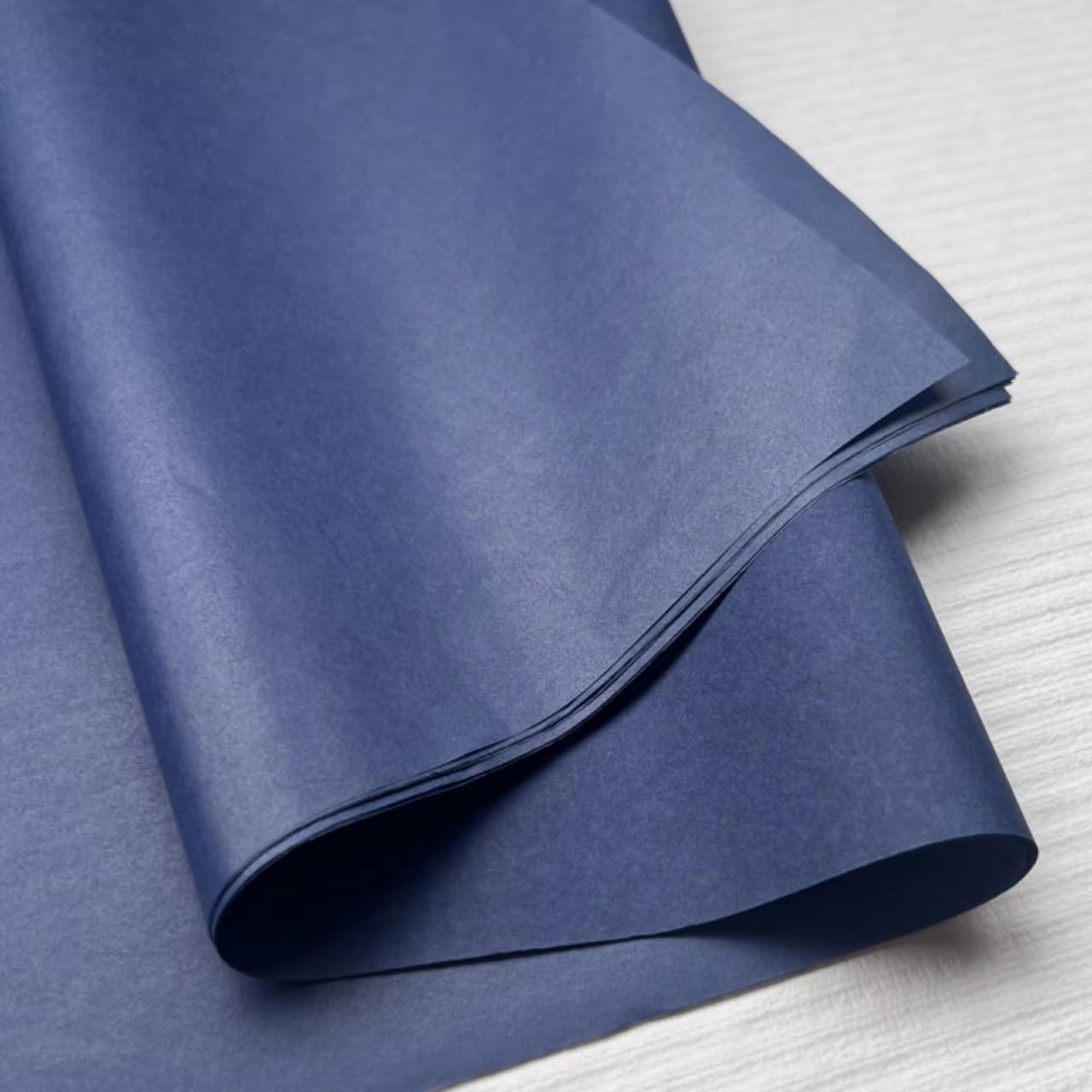
The eco-friendly reputation of colored tissue paper comes from using renewable plant materials like bamboo or recycled pulp instead of cutting down fresh trees. Traditional dyes often contain harmful heavy metals, but the certified ones we talk about here use safer options made from plants or minerals. These pigments stay non toxic throughout everything from production to when they finally break down after use. Water based colorants are another plus because they don't release those nasty VOCs into the air. This approach meets international green chemistry guidelines and still gives vibrant colors that look great on packaging for brands wanting to show off their commitment to sustainability without compromising on quality.
Certified Biodegradability: Lab-Validated Breakdown in Under 6 Weeks
Sustainability covers more than where things come from. It also matters what happens at the end of their life cycle. The OK Compost certification process has independently confirmed something pretty impressive: our premium colored tissue paper decomposes around 98 percent within just over six weeks when placed in industrial composting facilities. That's way different compared to plastics which can hang around for hundreds of years. What makes this possible? Well, the paper is made from unbleached fibers without any synthetic coatings that would interfere with nature's breakdown process. Microbes actually work on it naturally, putting valuable nutrients back into the soil rather than leaving behind harmful microplastics. If handled properly through appropriate disposal channels, what was once regular packaging waste becomes something positive for the environment rather than just another problem sitting in landfills.
How to Verify Genuine Sustainability: Key Certifications and Material Standards
FSC, TCF, and OK Compost — Decoding Labels That Matter for Colored Tissue Paper
Credible certifications are essential to cut through greenwashing. For colored tissue paper, three standards carry decisive weight:
- FSC (Forest Stewardship Council): Guarantees wood pulp comes from responsibly managed forests
- TCF (Totally Chlorine Free): Confirms bleaching avoids chlorine and its toxic byproducts
- OK Compost: Validates full biodegradability under industrial composting conditions
Third-party verification is non-negotiable. A 2023 packaging audit found brands using certified materials reduced customer skepticism by 68%. Always verify authenticity via traceable registration numbers on supplier documentation—not just logos.
Recycled Content Range: From 30% PCR to 100% Post-Consumer Fiber in Premium Grades
Material composition directly shapes environmental impact. Today's most sustainable options include:
- 30–50% PCR (Post-Consumer Recycled): Entry-level grade sourced from mixed municipal waste streams
- 70–90% PCR: Balanced solution offering improved durability without compromising sustainability
- 100% Post-Consumer Fiber: Highest-tier option made exclusively from repurposed office paper, shipping boxes, and other end-of-life materials
Using 100% PCR reduces water consumption by up to 40% versus virgin fiber production. Reputable suppliers provide batch-specific test reports—never accept generic claims without verifiable documentation.
Strategic Uses of Colored Tissue Paper in Eco-Conscious Brand Packaging
Functional Protection Meets Aesthetic Impact: Cushioning, Separation, and Presentation
Colored tissue paper isn't just pretty wrapping material. It actually works really well at protecting things too. The layers are tough enough to cushion delicate stuff when it's being shipped around, which means fewer broken packages. Some tests showed damage rates drop about 40% compared to regular packing materials. And the colors matter for brands as well. Think about how certain shades connect with different products. Green tones work great for health-focused brands selling plants or herbal remedies. Blues fit nicely with eco-friendly beauty products, while earthy reds look good with handmade pottery collections. When companies combine these practical benefits with smart color choices, their packaging becomes much more than just something to put stuff in. It creates an experience that customers remember and associate with the brand.
Unboxing Experience Design: How Custom Colors Drive Social Sharing and Brand Recall
Colorful tissue paper turns opening packages into something worth sharing on social media. Companies that stick to their own special colors get around 68 percent more mentions online from people who snap photos of the colorful reveal moments and tag them. Think about those earthy tones like sage green or rich burnt sienna colors that stand out right away. These distinctive color choices help build brand recognition because customers remember both how they look and feel when unwrapping products. Combine these experiences with clear information about eco-friendly practices and suddenly packaging becomes much more than just extra stuff to throw away after use. Instead, it acts almost like a quiet representative of what the company stands for, creating real connections between brands and consumers over time.
Beyond the Box: Extending Value Through Reuse, Gifting, and Circular Integration
Colored tissue paper's utility extends well past first-use. Its strength, texture, and aesthetic appeal encourage creative reuse—whether lining drawers, wrapping small gifts, or fueling school and home crafts. Research shows 73% of consumers retain premium packaging specifically for secondary applications, turning each sheet into a recurring brand impression.
Brands that think ahead are finding ways to make circular design work for them. Some companies run take back programs where they collect old tissue and turn it into fresh packaging materials. Others team up with local composting centers or businesses that handle organic waste so their products get disposed of properly at the end of life. Giving people rewards when they return used items helps build stronger relationships with customers who care about sustainability. What started as just colorful tissue paper used to protect goods during shipping is now becoming something much more important. It's turning into a practical tool for taking better care of the environment while also connecting with consumers and building lasting value for companies over time.