
 EN
EN
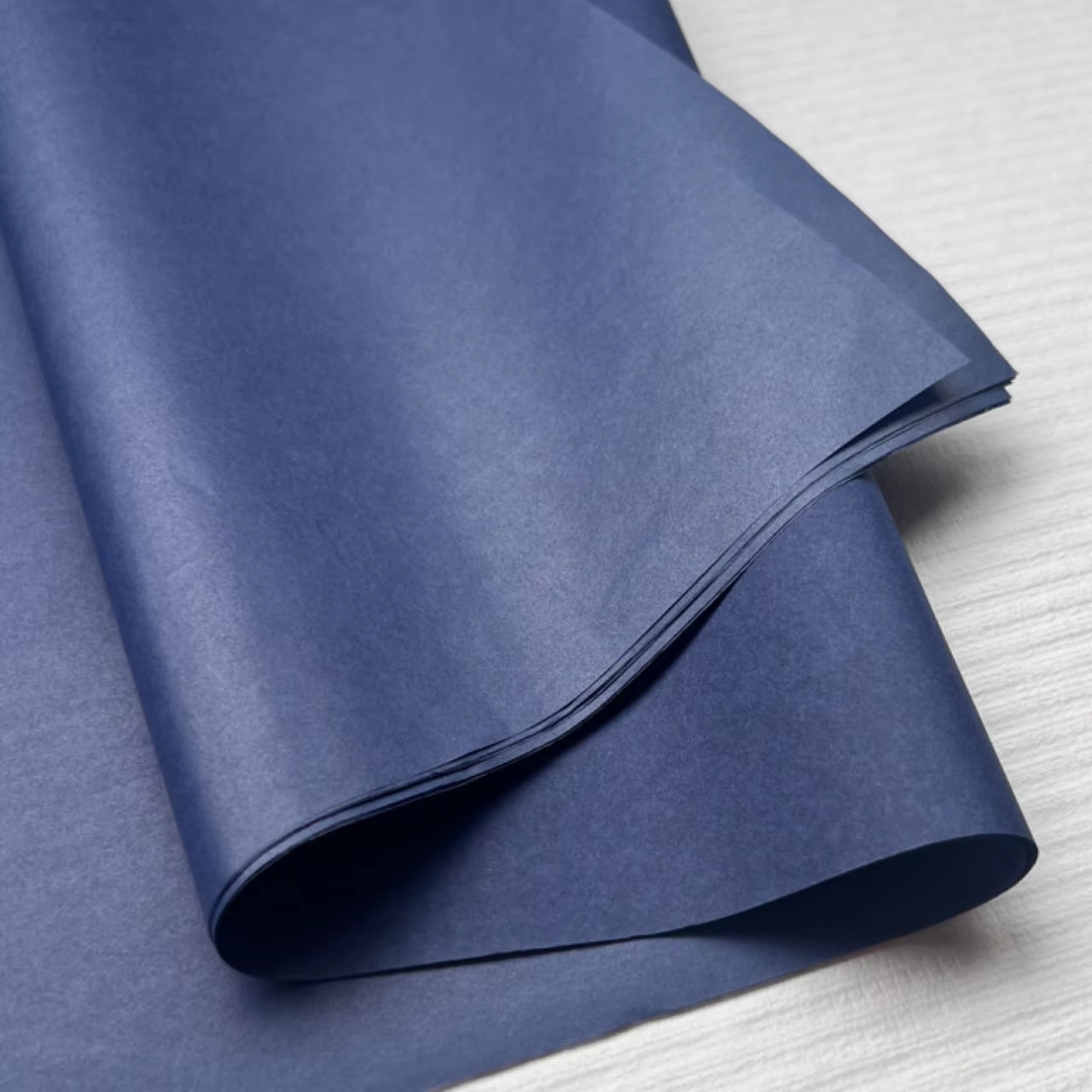
What Makes Tissue Paper 'Food-Grade' – Regulatory Standards and Safety Criteria
FDA, EU Regulation (EC) No 1935/2004, and ISO 22000 Compliance Requirements
Colored tissue paper used for food packaging needs to comply with strict international safety rules. In America, the FDA has set regulations for materials that come into contact with food. There are different standards depending on what type of food it touches - 21 CFR 176.170 covers things like wet and greasy foods, while 21 CFR 176.180 applies to dry foods. These regulations stop harmful substances from moving into the food itself. Across Europe, Regulation (EC) No 1935/2004 sets similar requirements for all food contact materials including tissue products. Manufacturers must ensure their materials don't contaminate food through proper composition, stability, and careful manufacturing processes. Companies that want ISO 22000 certification need to follow HACCP principles during production. To prove they're compliant, third party tests check if anything migrates from the paper into food at levels below 0.01 mg per square decimeter. Most importantly, these papers have to be made from virgin pulp instead of recycled stock because recycled materials can contain dangerous substances such as lead, phthalates, or those brightening agents that make paper look whiter than white.
Key Differences Between Food-Grade and Regular Colored Tissue Paper
There's a big difference between food grade tissue and those fancy decorative options when it comes to what they're made of, how they get tested, and what they actually do. Food safe tissues stick strictly to colors approved by both the FDA and EU regulations. Take cadmium as an example it can't be present at more than 0.25 parts per million. Regular colored tissues? They often have all sorts of stuff in them like unregulated heavy metals, optical brighteners that make things look whiter than white, and recycled fibers nobody really knows much about in terms of contaminants. When it comes to production methods, there's night and day differences. Food grade papers go through strict batch testing for chemicals migrating into food and checking for microbes. Standard tissues skip all that testing completely. The surface treatments matter too. Food safe versions use plant based barriers that won't mess with flavors, unlike petrochemical coatings used elsewhere. This matters a lot for things like candies and specialty baked goods where even the slightest off taste could ruin everything. Companies using the wrong kind of tissue risk getting hit with serious penalties from regulators. We've seen cases where FDA fines went over half a million dollars plus massive product recalls that cost businesses millions more.
Primary Uses of Food-Grade Colored Tissue Paper in Packaging and Presentation
Gourmet Gift Baskets, Bakery Boxes, and Confectionery Wrapping
Food-grade colored tissue paper serves three high-impact applications where safety and aesthetics intersect:
- Gourmet gift baskets, where custom-dyed sheets act as safe, non-reactive separation layers between cheeses, cured meats, and acidic fruits
- Bakery boxes, featuring grease-resistant, food-safe liners that protect delicate pastries while reinforcing brand identity through color
- Confectionery wrapping, using vibrant, non-bleeding papers engineered to retain integrity when wrapped around chocolate truffles or caramels
Its lightweight cushioning reduces transit damage, while its barrier properties prevent chemical migration—even with oily, acidic, or high-fat foods—preserving both freshness and flavor integrity.
Eco-Conscious Branding Without Compromising Food Safety
Sustainability and compliance coexist in modern food-grade tissue paper. Leading manufacturers achieve this balance through:
- Plant-based dyes validated against FDA and EC No 1935/2004 migration limits
- Unbleached or chlorine-free bleached fibers sourced from FSC®- or PEFC-certified forests
- Water-based, compostable coatings that replace plastic laminates without sacrificing performance
Unlike conventional wrapping, certified food-grade variants decompose within eight weeks yet maintain vivid, shelf-stable color—enabling premium unboxing experiences without compromising food safety or environmental responsibility.
How to Source Reliable Food-Grade Colored Tissue Paper – Certifications to Verify
Essential Documentation: SDS, Declaration of Compliance, and Migration Test Reports
Verifying supplier credibility demands scrutiny of three foundational documents:
- Safety Data Sheets (SDS) confirming absence of restricted substances—including formaldehyde, heavy metals, and allergenic dyes
- A Declaration of Compliance explicitly referencing adherence to FDA 21 CFR 176.170/176.180 or EU Regulation (EC) No 1935/2004
- Third-party migration test reports, conducted per standardized food simulants (e.g., 10% ethanol for fatty foods, 3% acetic acid for acidic foods), with results ≤0.01 mg/dm²
Good suppliers tend to hand over all necessary paperwork without being asked twice. If someone hesitates or just points to their own claims without proof, that's usually a warning sign worth noting. When dealing with items heading to American markets, it pays to double check through the FDA's Food Contact Substance Notification system. And don't forget about ISO 22000 certification for manufacturers either. This particular certification actually covers the whole production chain, making sure everything stays safe from raw materials right down to the final product ready for sale. Most experienced buyers know this kind of comprehensive approach makes all the difference in quality control.
Sustainability and Performance Trade-Offs: Dyes, Bleaching, and Shelf-Life Considerations
Picking out food grade tissue involves weighing different options rather than simply settling for something less good. Water based natural dyes are better for the environment, but they don't hold up as well against fading when exposed to bright lights in stores, which can shorten how long products stay on shelves looking fresh. When manufacturers choose chlorine free bleaching methods, they keep fibers stronger and avoid those harmful dioxin leftovers from traditional processes. However, this approach sometimes results in whites that aren't quite as crisp and makes pastel colors look duller than intended. Adding recycled materials presents another set of challenges. Sure, using recycled content helps conserve resources, but these fibers often come with tiny bits of contamination from previous uses. Plus, they just don't resist grease consistently enough for things like bakery packaging where oil resistance matters a lot for keeping products clean and safe.
New technologies are closing those old gaps pretty effectively these days. Closed loop dyeing systems can actually recover around 95% of both water and pigments while keeping colors vibrant without creating extra waste. But there remain certain basics that just cannot be compromised on. Things like fabric strength when being handled, dyes staying put even when exposed to moisture or heat, and ensuring products stay stable throughout their entire journey from factory to shelf. Looking ahead, what really matters is having clear visibility into the whole process. Certifications such as ISO 22000 provide this transparency. They help make sure that going green doesn't somehow compromise either food safety standards or product quality in any way.
Table of Contents
- What Makes Tissue Paper 'Food-Grade' – Regulatory Standards and Safety Criteria
- Primary Uses of Food-Grade Colored Tissue Paper in Packaging and Presentation
- How to Source Reliable Food-Grade Colored Tissue Paper – Certifications to Verify
- Sustainability and Performance Trade-Offs: Dyes, Bleaching, and Shelf-Life Considerations