
 EN
EN
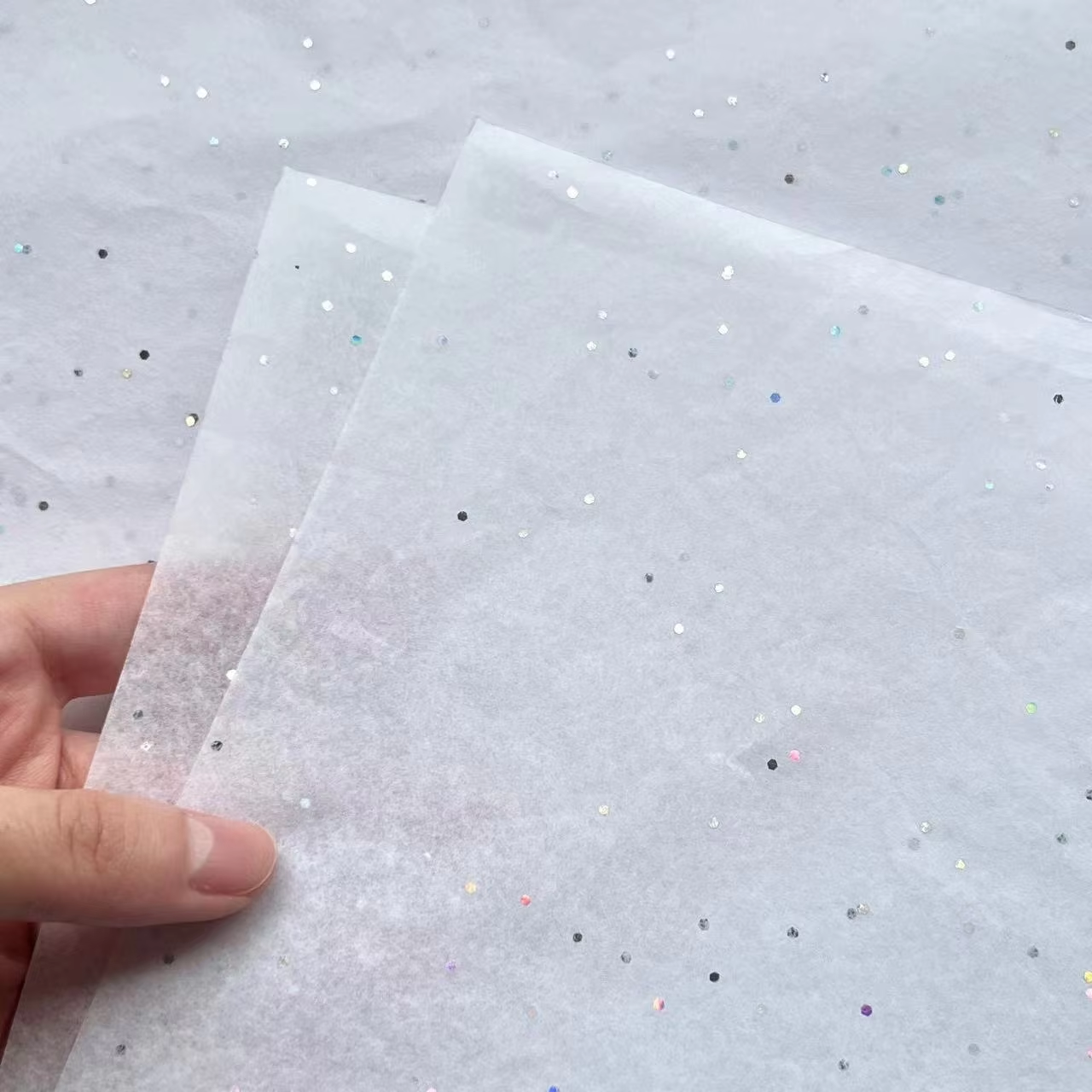
How Colored Tissue Paper Extends Shelf Life of Apples and Grapes
Moisture Regulation and Ethylene Absorption Mechanisms
Colored tissue paper extends the shelf life of apples and grapes primarily through two interlinked physiological controls: moisture regulation and ethylene absorption. Its lightweight, porous fiber structure enables balanced water vapor transmission—preventing surface condensation (a key trigger for decay) while inhibiting excessive moisture loss. This is especially critical for grapes, whose thin skins make them highly susceptible to shriveling.
Certain grades are engineered with ethylene-absorbing agents—such as activated carbon or zeolite—integrated directly into the pulp. Since apples are climacteric fruits that emit ethylene during ripening—and grapes are highly sensitive to it—this targeted gas capture slows softening, browning, and microbial proliferation. Peer-reviewed postharvest studies confirm this dual-action approach can extend marketable shelf life by 4–7 days without refrigeration or synthetic preservatives, making it a scalable, non-invasive preservation method from packhouse to retail.
Mold and Oxidation Inhibition Through Barrier and Antimicrobial Properties
Colored tissue paper also functions as a functional barrier against spoilage pathways beyond moisture and gas. As a liner between fruit layers or as a wrap, it physically isolates produce from packaging surfaces that may harbor mold spores—particularly relevant for Botrytis cinerea, the primary cause of gray mold in grape clusters. Some commercially available grades incorporate food-safe antimicrobial coatings, such as chitosan derived from crustacean shells or GRAS-listed essential oil extracts, which suppress fungal growth without affecting fruit flavor or safety.
For apples, the paper’s oxygen-diffusion resistance helps delay enzymatic browning and lipid oxidation—key contributors to discoloration and off-flavor development. Its hygroscopic nature further limits ambient humidity at the fruit surface, depriving mold of the microenvironment it requires to germinate. While dyes serve aesthetic purposes, the functional integrity of the paper—its basis weight, coating formulation, and fiber density—determines its protective efficacy. When optimized, colored tissue paper delivers simultaneous preservation and visual appeal, reinforcing its role as a purpose-built packaging component—not just decorative filler.
Physical Protection Against Bruising and Surface Abrasion
Colored tissue paper provides essential mechanical protection during handling, transport, and display. Its fibrous matrix creates micro-air pockets that absorb impact energy and distribute pressure evenly across irregular fruit surfaces—reducing bruising by up to 40% compared to bare arrangements, according to industry-validated logistics trials conducted by the International Postharvest Network. This cushioning effect is especially valuable for grapes, where stem abrasion and berry detachment often occur due to friction between clusters or contact with rigid packaging. Unlike foam or plastic wraps, tissue conforms seamlessly to shape without generating localized stress points, preserving cellular integrity in both apples and grapes.
Color Psychology and Visual Merchandising Impact on Consumer Purchase Decisions
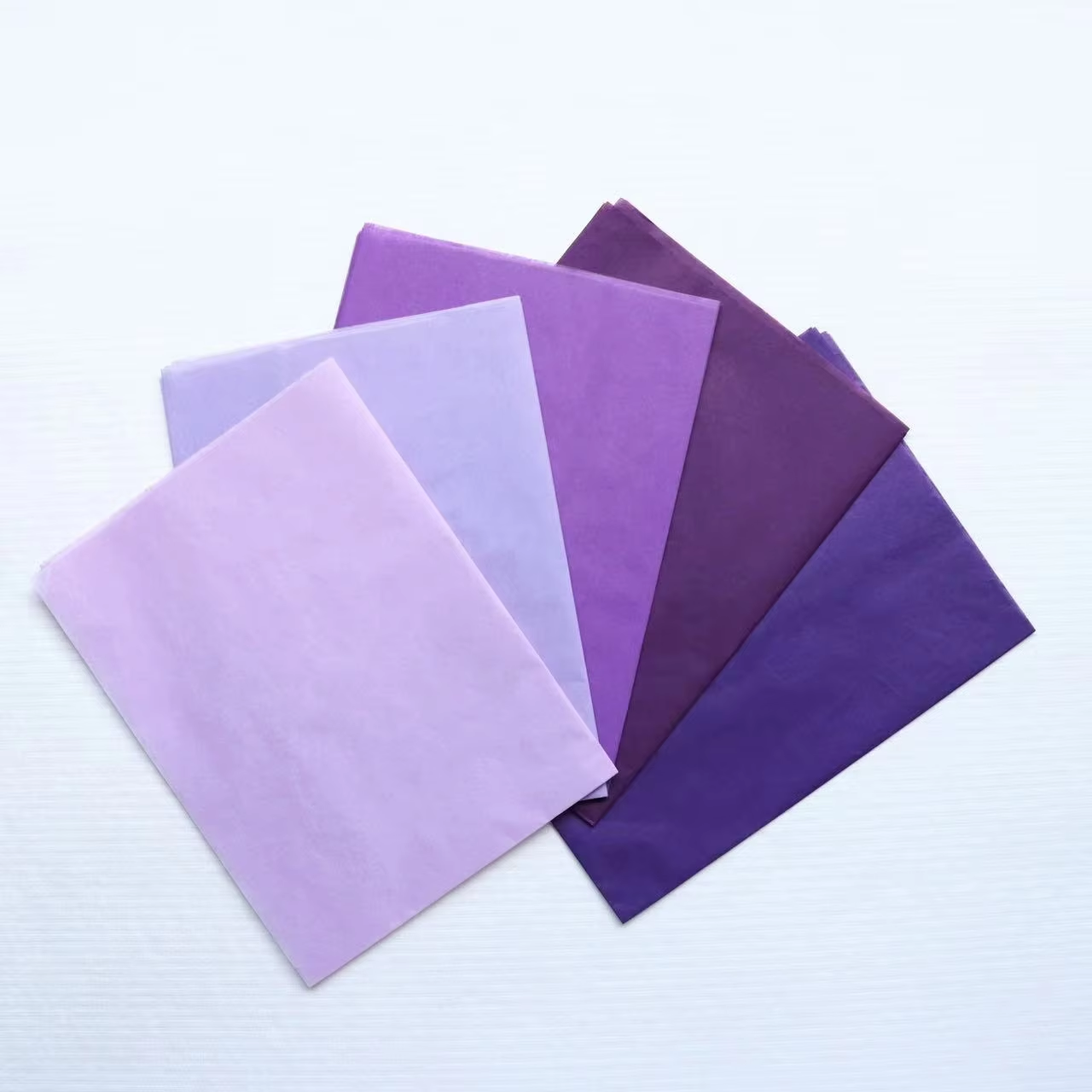
Color selection transforms tissue paper from passive packaging into an active sales tool grounded in behavioral science. Red-hued tissue enhances perceived freshness and appetite appeal for apples—a response linked to cross-modal sensory priming documented in consumer neuroscience research. Deep purple tissue reinforces varietal authenticity and premium positioning for grapes, with field trials in major U.S. grocery chains showing a 23% lift in unplanned purchases when color-matched tissue was used versus neutral alternatives. Complementary color schemes (e.g., burgundy-and-cream for heirloom apples) increase shelf contrast and dwell time, while coordinated branding elevates perceived quality and trust. In essence, the right color doesn’t just protect—it communicates value before the customer even lifts the fruit.
Tailoring Weight, Color Brightness, and Coating for Apple vs. Grape Packaging Needs
Apples and grapes demand differentiated tissue specifications due to divergent physical and physiological profiles. Apples—denser, heavier, and more impact-resistant—perform best with medium-weight tissue (35–40 gsm) offering high tear strength and enhanced cushioning for stacked storage. Grapes require lighter, more pliable tissue (25–30 gsm) that drapes gently over delicate clusters without compressing stems or dislodging berries.
Coating functionality must also be fruit-specific:
| Feature | Apple Packaging | Grape Packaging |
|---|---|---|
| Coating | Ethylene-absorbing | Mold-inhibiting |
| Moisture Control | Moderate permeability | High permeability |
| Tear Strength | High resistance | Flexible resilience |
Color brightness influences both perception and performance: high-chroma reds and purples not only boost impulse purchase rates by 23%, but also correlate with tighter dye-pulp binding—reducing pigment transfer risk during high-humidity storage. Lighter, breathable coatings maintain natural respiration rates, extending freshness by 3–5 days while supporting compliance with USDA and EFSA guidelines for indirect food contact materials. This precision-tailored approach ensures every layer of tissue delivers measurable preservation and merchandising value—minimizing waste and maximizing shelf impact.
Table of Contents
-
How Colored Tissue Paper Extends Shelf Life of Apples and Grapes
- Moisture Regulation and Ethylene Absorption Mechanisms
- Mold and Oxidation Inhibition Through Barrier and Antimicrobial Properties
- Physical Protection Against Bruising and Surface Abrasion
- Color Psychology and Visual Merchandising Impact on Consumer Purchase Decisions
- Tailoring Weight, Color Brightness, and Coating for Apple vs. Grape Packaging Needs