 EN
EN
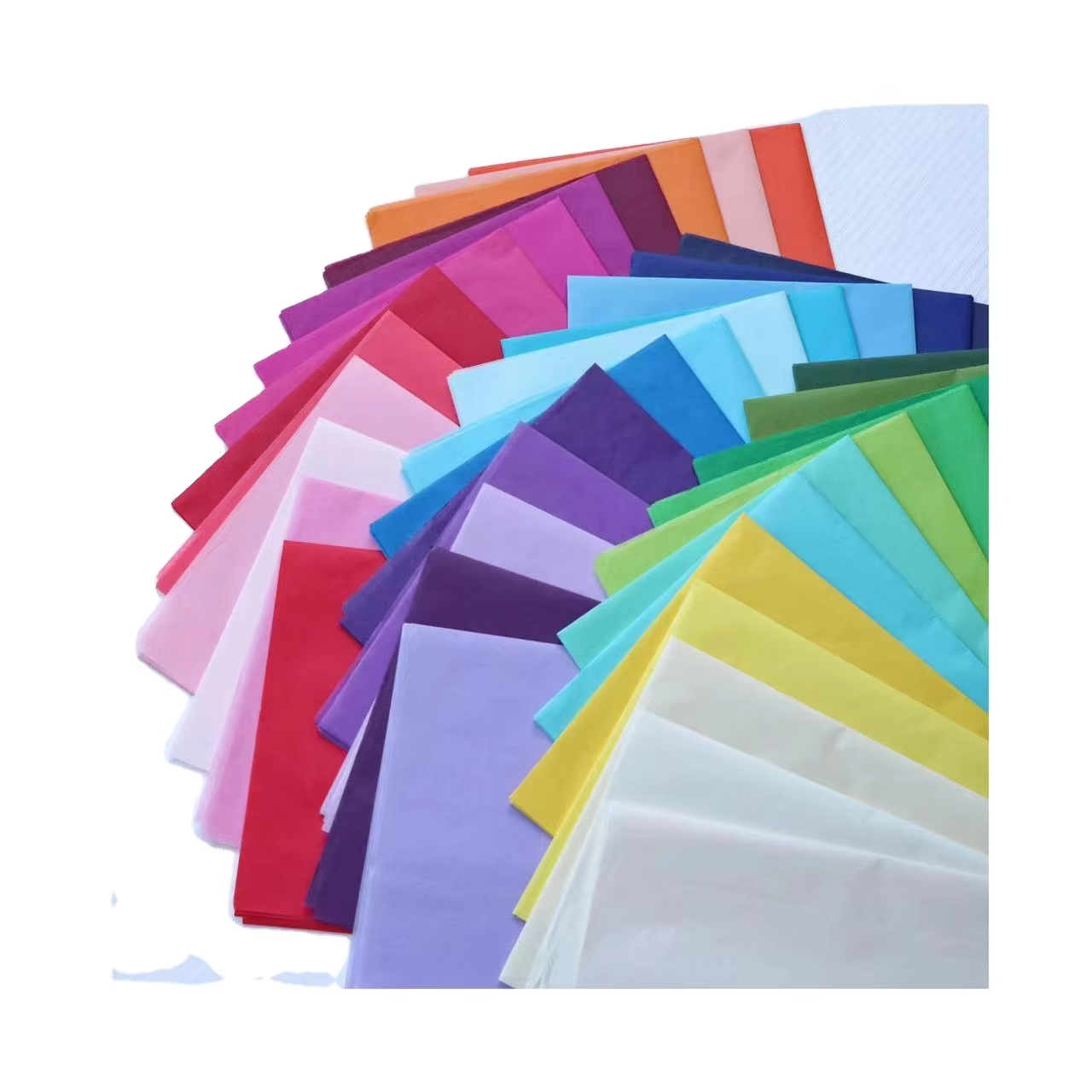
The Science Behind 17g Colored Tissue Paper’s Strength—Softness Sweet Spot
How 17 gsm Achieves Structural Integrity Without Sacrificing Drape or Tactile Softness
Colored tissue paper at around 17 grams per square meter reaches just the right density where it holds together well but still drapes nicely and feels soft to touch. The hardwood stuff like eucalyptus pulp gives it some stiffness, whereas those softwood fibers keep things from getting too brittle. When they make this stuff, they create these tiny folds through a process called creping. These little folds act kind of like built-in weak spots that let the paper bend instead of tearing when pressure is applied. From what material scientists know about how papers behave, this specific weight works really well for most applications because it finds that sweet spot between being strong enough and remaining pliable enough for handling.
- 40% higher tear resistance than 14 gsm variants
- 25% better conformability to irregular surfaces than 22 gsm alternatives
- Neutral pH dye integration that preserves native fiber elasticity
The result is tissue capable of withstanding 3.5 N/cm² compression forces while maintaining a skin-friendly surface texture—measured at under 3.5 micrometers roughness in standardized drape coefficient testing.
Why This Basis Weight Minimizes Tear Propensity While Maximizing Conformability
Seventeen gsm sits at the critical intersection of fiber bonding density and low bending stiffness. At this grammage:
- Inter-fiber hydrogen bonds provide cohesive strength sufficient to arrest micro-tear propagation
- Air permeability remains above 500 ml/min/cm²—preventing localized brittleness
- Flexural rigidity stays under 15 mN·m, enabling tight molding around complex shapes
This synergy reduces tear propensity by 60% compared to 14 gsm paper and improves shape retention by 30% versus 20 gsm alternatives. The balance supports high-stress applications like gift wrapping and protective packaging—where damage resistance and adaptive cushioning must coexist reliably.
Colored Tissue Paper at 17g: Superior Performance in Real-World B2B Applications
Retail Packaging: Reduced Damage Rates and Enhanced Unboxing Experience
Colored tissue paper at 17 grams per square meter offers better protection than the thinner 14 gsm versions. Tests show it can absorb about 30 percent more impact force, which means fewer damaged products when they arrive at their destination according to Packaging Digest from last year. What makes this stuff work so well? The material doesn't tear easily even when wrapping delicate items, and those vibrant colors stay put without bleeding onto whatever gets wrapped. Despite being thicker, the paper maintains enough softness that customers still get that luxurious feel when opening packages. Many companies have seen results too. One major retailer reported cutting down on shipping complaints by around 22% once they switched to using 17 gsm tissue throughout all their packaging operations.
Wedding & Event Styling: Color Retention, Crinkle Memory, and Tear Resistance Under Handling Stress
Event planners know that 17 gsm tissue holds up really well when colors need to stay bright and shapes need to keep their form after being touched again and again without running ink onto tablecloths or decorations. According to the latest findings from the Material Integrity Index mentioned in the 2024 Event Styling Report, this stuff actually performs pretty darn good in real life situations too. The specific weight of the paper makes sure those fancy table runners and centerpiece designs keep their nice crumpled look all through the reception, plus they don't tear easily when someone needs to tweak things around on site. Many venue workers have noticed how tough this material is against getting worn out. Tests show that compared to thinner options, 17 gsm tissue can handle about 40 percent more moving around before it starts looking beat up. That's why so many choose it for busy spots where people constantly interact with the decor, such as near the guest book area or along walkways between seats.
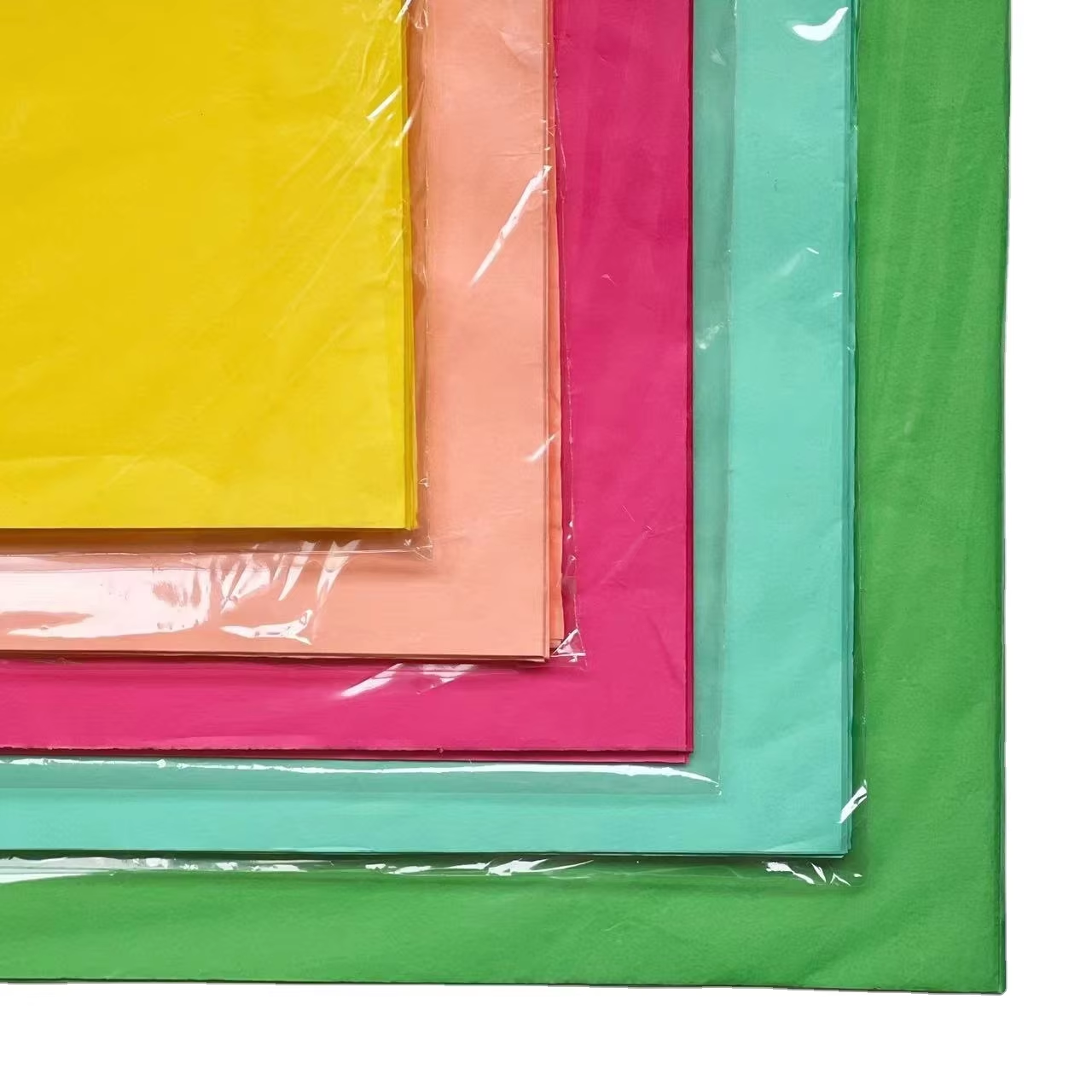
Material & Process Advantages That Make 17g Colored Tissue Paper a B2B Value Leader
Sustainable Fiber Blends (Eucalyptus/Bamboo) and Low-Impact Dye Integration at 17 gsm
When it comes to paper products made from fast growing materials such as bamboo and eucalyptus, the 17 grams per square meter weight strikes just the right balance between strength and flexibility. At this thickness level, the fibers lock together nicely so they won't tear when someone handles them, but still bend well enough for those fancy folds and wraps needed at events. Getting colors into these papers works really well too. Because of the 17gsm thickness, pigments soak in fully without needing harsh chemicals or damaging the fibers themselves. This means factories use about 40% less water than with thicker alternatives, which matters a lot in production costs. Plus, there's no annoying color bleeding problems even if the paper gets damp or compressed during shipping. What we end up with are bright, lasting tissues that look good all through distribution and event setups. For businesses looking to cut costs while staying green, this combination makes sense on multiple levels.