
 EN

How colored thin paper works for DIY lanterns and honeycomb balls
A sheet of colored thin paper can look modest on a craft table, yet it changes character when light, folds, and layers enter the picture. For a DIY lantern, it acts as a translucent color filter. For a honeycomb ball, it becomes a sequence of flexible layers that open into volume. That is why colored thin paper is often a more useful description for these projects than simply “colored paper”: the job depends on light passing through it and on the sheet bending without turning the project stiff.
As a paper-converting specialist would frame it, color is only one part of the request. The practical questions are how the paper arrives, how it folds, how it handles glue, and whether it suits the intended display. The first fold can determine whether a lantern looks considered or improvised. This guide explains the material logic behind both projects so you can test colored thin paper before committing to a full set of decorations.
What “thin” means in a lantern or honeycomb project
In this context, colored thin paper usually means a lightweight, flexible paper with enough translucency for light to show through and enough softness to form creases or drape over a base. It is not a fixed specification. Different papers can vary in fiber, finish, color saturation, and tear resistance, so a sample is more informative than a color swatch alone.
Compared with heavier craft stock, colored thin paper does three useful things:
- It lets an LED light create a diffuse glow instead of stopping the light at the surface.
- It folds into many layers with less bulky buildup at each crease.
- It opens and fluffs with less force, which matters when making a round decoration from delicate layers.
Those benefits have boundaries. If a sheet is too fragile for the adhesive, damp hands, or repeated handling involved, choose a sturdier option or test a smaller panel first. By format, we simply mean whether the colored thin paper reaches you as sheets, a roll, or pre-cut pieces, and how that format fits the project.
How colored thin paper creates the look of a DIY lantern
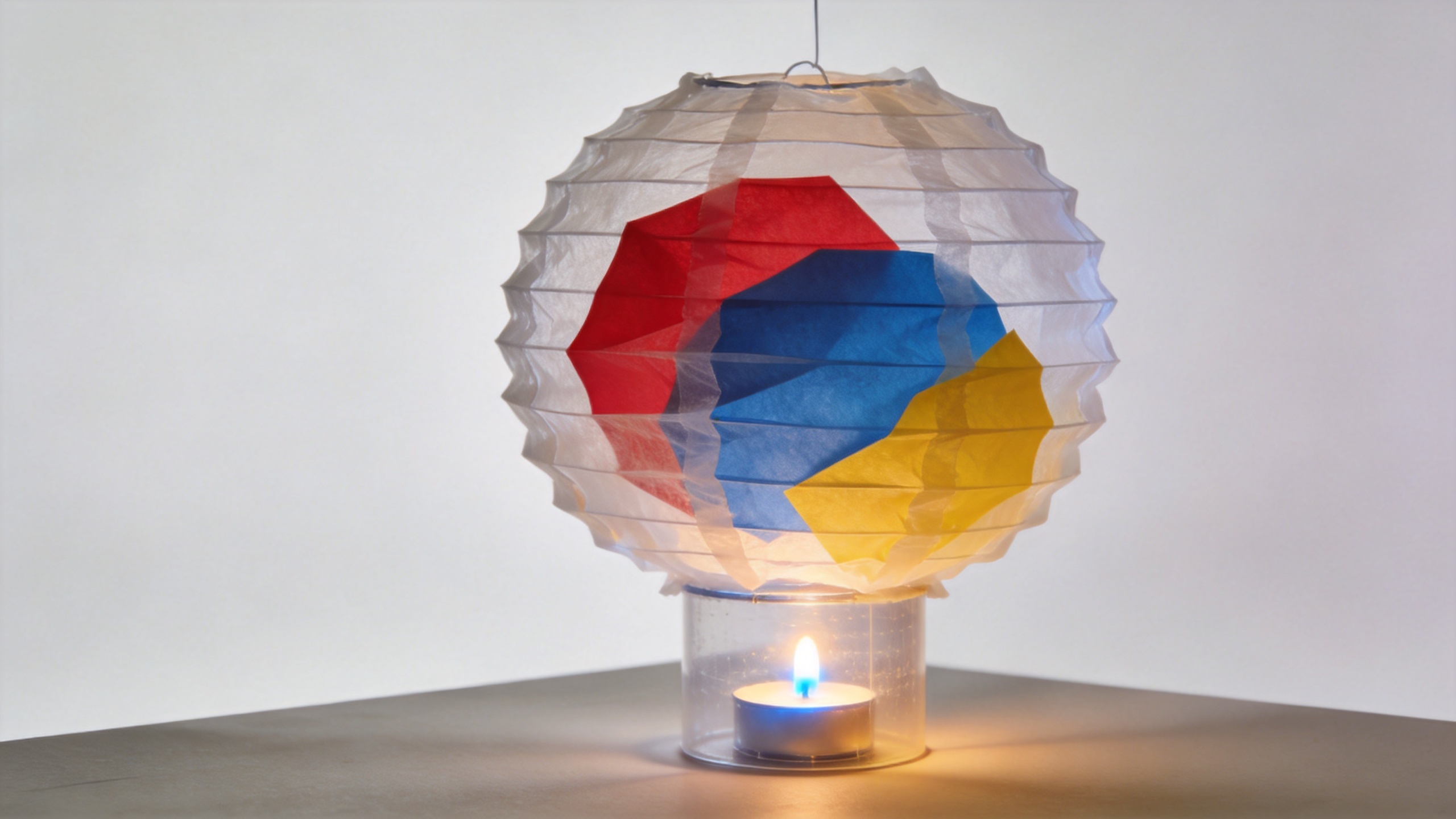
A lantern works because a light source sits behind or inside a translucent surface. When you place colored thin paper over a clear jar, plastic cup, paper frame, or another suitable base, the paper softens the direct view of the light and shifts its apparent color. Layers can deepen the shade, while spaces between pieces can make the surface more varied. The relevant question is not only whether the paper looks bright on the table, but how it behaves when light passes through it.
Use a simple workflow:
- Choose a stable base with a surface that accepts the adhesive you plan to use.
- Hold one test piece of colored thin paper against the base and check the color with the actual LED light switched on.
- Tear or cut shapes, then overlap them lightly rather than building a thick opaque wall.
- Allow the adhesive to dry before moving the lantern, especially if the paper has become damp or stretched.
For a paper-based lantern, use only a cool, flameless LED light. Keep the paper clear of heat sources and open flames. This is not just a finishing detail; paper is decorative material, not a heat shield.
Why overlap changes the result
One layer of colored thin paper often looks lighter once it is backlit. Two or three overlapping pieces can look richer because the light passes through more colored material. The effect is local: a pale overlap beside a darker one can create a stained-glass-like variation without requiring printed artwork. Make the pattern on a small test panel first, because the same color may look different over a clear base, a white base, or an already colored container.
How colored thin paper opens into a honeycomb ball
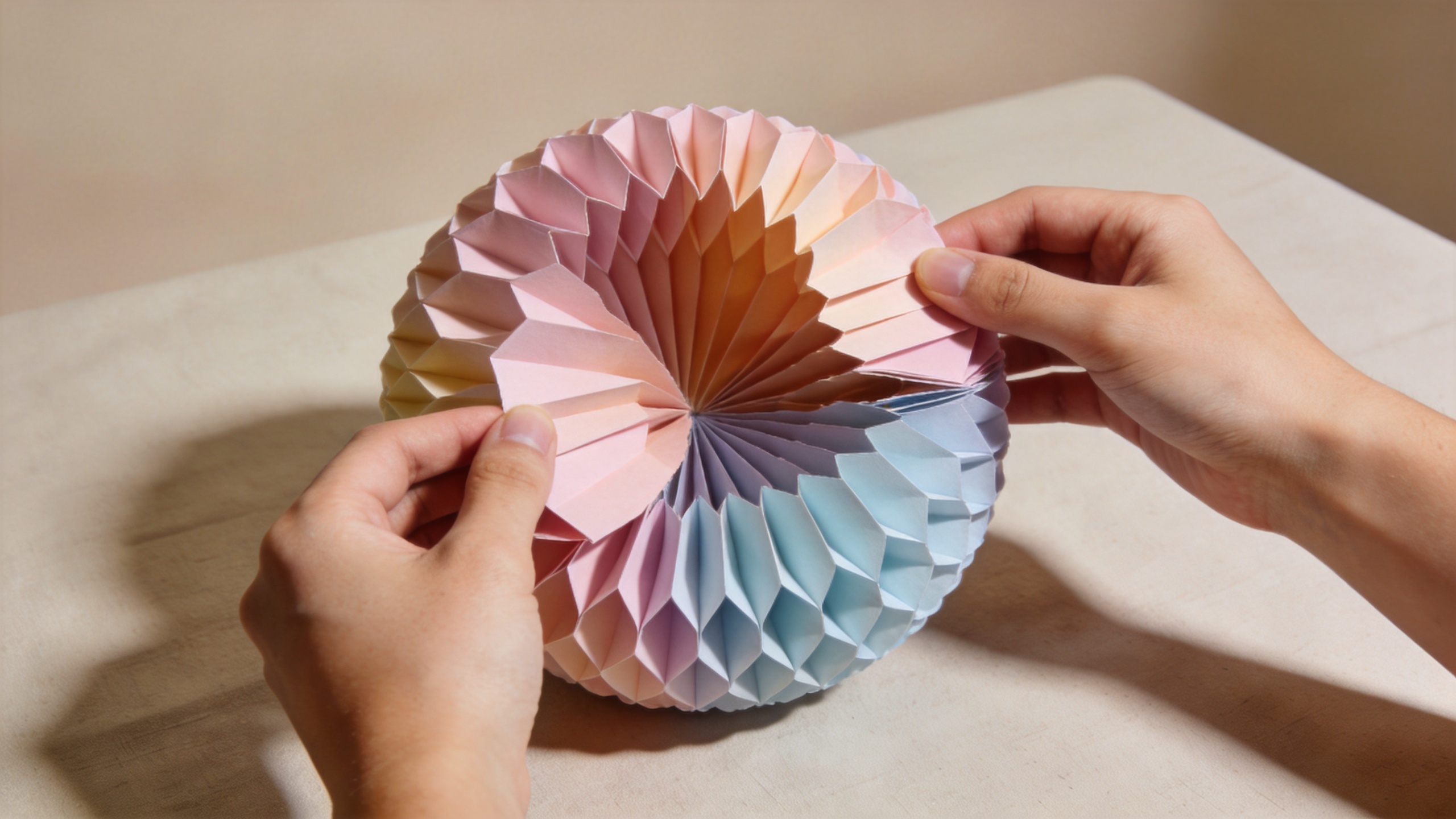
A honeycomb ball relies less on translucency and more on repeated folds and controlled separation. Stacked sheets of colored thin paper are folded back and forth like an accordion. After the folded stack is secured near the center, the layers are carefully pulled apart and opened around that point. The repeated pleats distribute the paper around the center, producing a rounded, cellular appearance.
The important part is that the material remains flexible while holding a crease. With colored thin paper, each layer contributes a little surface area instead of creating a heavy block. When the stack opens, gaps between the folds make the honeycomb pattern visible. Pulling the layers too quickly can tear a thin edge, so support the center with one hand and separate only a few layers at a time with the other.
Some decorative projects use adhesive placements between layers to limit where they open. That technique can form a more regular honeycomb effect, but the spacing and adhesive behavior should be tested on a small sample. A paper that looks right in a flat stack may open unevenly if the glue grips too broadly or the paper absorbs too much moisture.
Choosing colors and formats for the job
Colored tissue paper is useful when you want soft edges, layered color, and a hand-made look. It can be a practical form of colored thin paper for both lantern panels and honeycomb layers, provided the sample folds and separates cleanly. For a lantern, place intended colors beside the actual LED light. For a honeycomb ball, open a small sample to see how the colors interact across repeated folds.
Sheets and rolls solve different workflow questions. Sheets offer repeatable cuts and easier stacking for a round decoration. A roll may offer flexibility for wrapping a lantern base or covering an unusual shape. Neither format is automatically the right choice; match it to the cutting, folding, and assembly steps you can repeat comfortably.
A quick material test before you make multiples
- Fold a strip of colored thin paper several times and open it to see whether the crease stays tidy.
- Place it over the planned lantern base and view it with the chosen flameless LED.
- Apply a small amount of the intended adhesive and allow it to dry before judging the surface.
- Stack and fan a few pieces to check whether the edges separate without tearing.
- Consider storage conditions: paper selected for its appearance can be affected by crushing, moisture, or rough handling before the event.
In short, colored thin paper works because its lightness supports two different craft behaviors: it diffuses light for lanterns and it forms many visible folds for honeycomb balls. Choose by the use case, test the light and fold before assembly, and use cool LED illumination for every paper lantern.