 EN
EN
Sustainability as a Core Driver for Colored Tissue Paper Innovation
Bio-based fibers and plastic-free coatings advancing eco-performance
More manufacturers are moving toward using bio based fibers made from things like leftover wheat straw and rapidly growing bamboo plants, along with coatings derived from plants that don't contain any plastics. These new materials can reduce carbon emissions by around 30 percent compared to regular tissue papers but still keep colors looking bright and vivid. The latest coatings made from algae and chitosan actually perform just as well against moisture as those old petroleum based options, yet they don't mess up the recycling process at all. Luxury fashion houses especially care about this since they want their products to look good while also being kinder to the planet. According to recent research from McKinsey & Company back in 2023, half of all shoppers are now on the lookout for packages that come with real green credentials. Because of this demand, we're seeing these changes happen faster than ever before throughout high end stores everywhere.
Circularity in practice: recyclability, home compostability, and fiber recovery metrics
When we talk about sustainability, it's important to look beyond where materials come from and consider what happens when products reach the end of their life cycle. Top manufacturers now ensure colored tissue paper meets strict standards for circularity. First, the paper must be recyclable in regular city recycling programs, recovering over 95% of fibers at most processing plants today. Second, it needs to completely break down in household compost bins within around three months. Third, after burning, the leftover mineral content has to stay under 1%. These claims aren't just marketing hype either they're backed by actual ASTM D6868 tests. Companies also work closely with major waste management groups across the country to make sure these papers actually fit into existing disposal systems. By creating this kind of closed loop system, we're making progress on reducing the massive 26 million tons of packaging waste that ends up in landfills throughout North America each year. What was once considered a tough environmental problem is becoming an example of how thoughtful product design can help solve bigger issues.
Digital Customization and Precision Color Management in Colored Tissue Paper
On-demand digital printing enabling hyper-personalized brand expressions
Digital printing has pretty much done away with the old problem where companies had to choose between custom designs and efficient production. Today's brands are running small batches whenever they want, no setup costs involved. They create special holiday patterns, unique designs for events, and even personalize messages for customers. This has completely changed what tissue paper can do, turning it from something just used for protection into an actual branding opportunity. The technology behind this works so well that colors stay consistent across different materials and processes, about 98.5% accurate according to tests. Whether making just 50 pieces or going up to 5,000, quality remains the same. This flexibility lets companies make products tailored to specific regions, release limited runs, and jump on trends as they happen. Plus, it cuts down on wasted stock before anyone buys it, which helps move toward more sustainable business practices overall.
Pantone-integrated ink systems and spectral color matching for consistency
When Pantone certified ink systems work alongside inline spectrophotometers, they achieve incredible precision at the micron level for color control. These advanced systems measure how light reflects across all visible wavelengths as things happen, then automatically tweak factors like ink thickness, concentration, and application depth so colors stay consistent between production runs. What we get from this setup is a Delta E value below 0.8 - which sits comfortably inside those strict brand standards - plus no more problems with metamerism. This means printed materials look exactly the same whether viewed under natural sunlight, store lights, or LED illumination. Industry data shows manufacturers using these systems experience around 40 percent reduction in reprint rates compared to older methods. Fewer wasted prints translates directly into cost savings and reduced waste, all while maintaining that professional quality appearance customers expect.
Design-Led Differentiation: Aesthetics, Psychology, and Unboxing Impact of Colored Tissue Paper
Minimalist, seasonal, and luxury aesthetics shaping substrate, weight, and chromatic intensity
Colored tissue paper plays a key role in design decisions because its texture and color can communicate brand values directly. For minimalist approaches, brands often choose unbleached papers with very muted colors (around 5% saturation or less) that highlight the paper's natural grain and create a sense of simplicity. When it comes to seasonal products, thicker papers above 35 grams per square meter are common, especially in limited edition color schemes that match the season. Luxury items tend to use rich jewel tones printed on silky finish papers. According to a recent packaging report from Smithers in 2023, nearly seven out of ten consumers link intense colors with higher quality and better craftsmanship. The weight of the paper also determines its use: lighter than 20gsm works well for inner layers where cost matters most, midrange weights between 20-30gsm suit regular retail needs, while special occasion gifts typically feature premium 40gsm papers that feel substantial in hand.
Chromatic psychology and sensory layering—how color, texture, and scent elevate unboxing
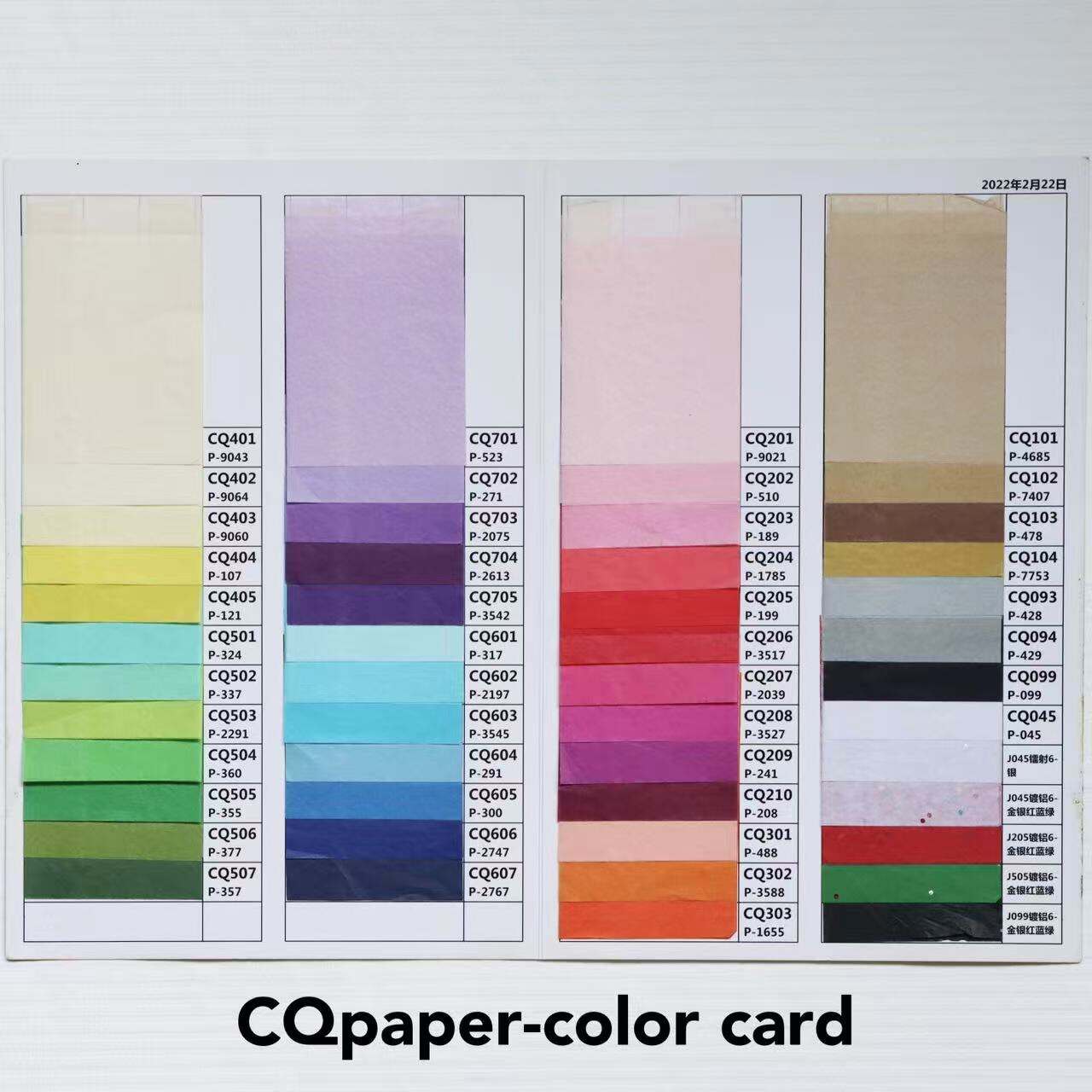
The colors we see when opening a package send subtle but powerful signals to our brains. Studies suggest that warm earthy tones like terracotta can actually make people think products are worth more money in wellness markets. Meanwhile, shades of blue tend to build trust and professional feel in beauty products. What's interesting is how texture plays into all this too. Packages wrapped in crinkly paper create longer interactions with the box itself compared to plain surfaces, making customers spend more time looking at what they bought. Some smart companies now put tiny scent capsules inside their packaging materials. Citrus smells seem to get people excited about new gadgets, whereas lavender fragrances help create relaxing experiences for things like bath products or meditation tools. When designers combine color choices, physical sensations, and smells together just right, ordinary boxes become memorable experiences that stick with consumers long after they've finished unwrapping them.