
 EN
EN
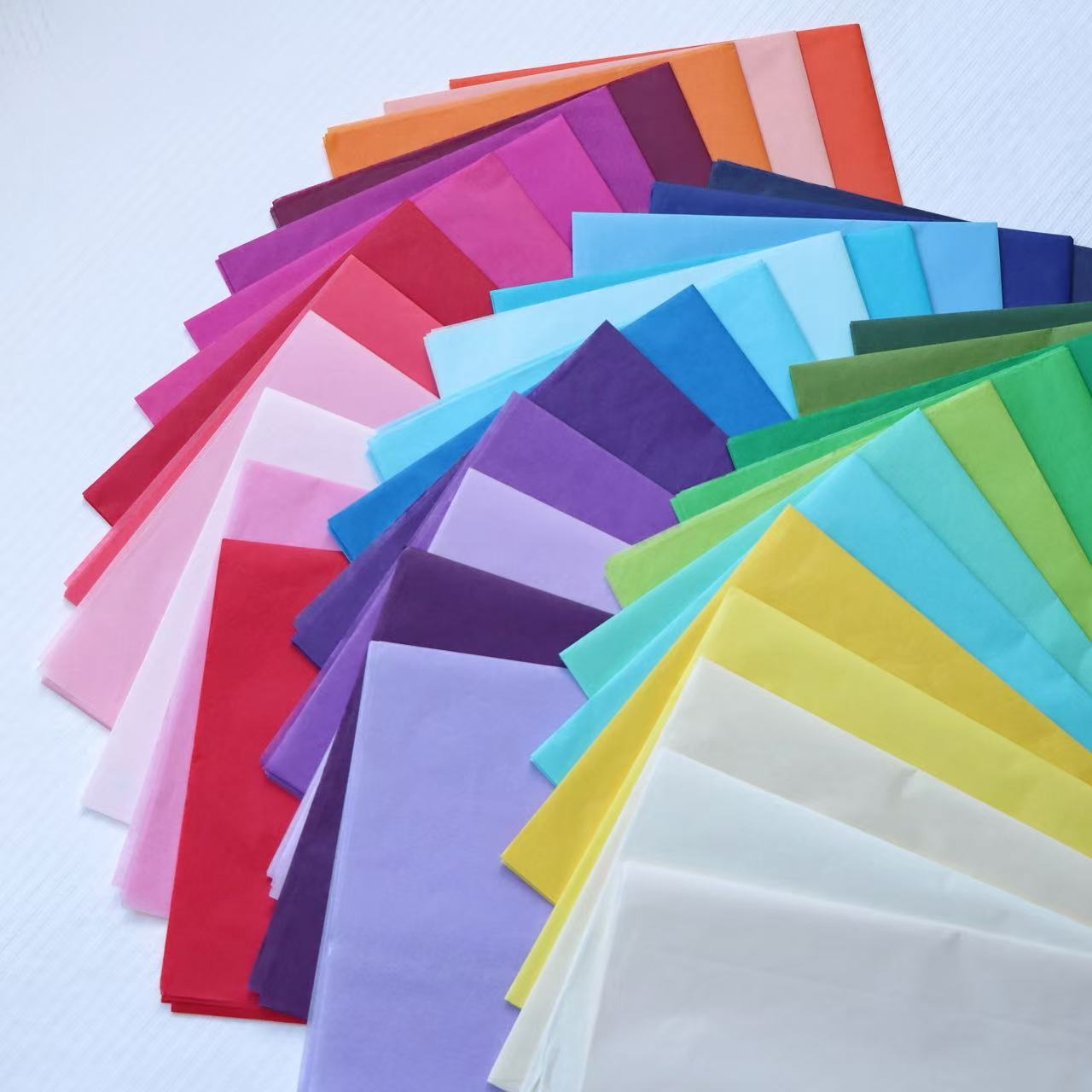
Why 26gsm Is the Gold Standard for Premium Colored Tissue Paper
The Science of Balance: How 26g/m² Optimizes Softness, Strength, and Printability
Colored tissue paper that's considered premium needs just the right mix of looks and performance. When we look at papers around 26 grams per square meter (gsm), they hit that sweet spot where the fibers are dense enough to stay soft but not so thick that they become bulky. The way these fibers lock together gives the paper strength against tears when someone wraps gifts or handles them in stores. At this weight, the paper absorbs dyes really well which means bright colors show up evenly across the surface without running through to the other side. Go above 30gsm and the paper starts to feel heavy and loses its nice flow when draped. Anything below 20gsm just doesn't hold up as well over time and tends to fall apart easily. What makes 26gsm special is how it handles printing too. Prints come out sharp and clear without the ink soaking into the paper excessively, which is why most quality manufacturers stick with this weight for their top products.
Testing Reality: ISO 12625-3 Data Showing Performance Peaks Between 25.5–26.5gsm
The ISO 12625-3 standard, which governs tissue paper testing worldwide, points to an optimal performance window between 25.5 and 26.5 grams per square meter. When tested under lab conditions, tissues within this range regularly hit maximum tensile strength at around 15.2 kN/m, all while keeping their softness score under 120 on the Cup Softness scale. Going below 25 gsm means tear resistance plummets about 20%, making products more prone to breakage. On the other hand, anything over 26.5 gsm starts getting stiff pretty quickly, which takes away from that luxurious feel consumers want. Real world tests back this up too. Tissues made in this sweet spot handle multiple folds, changes in humidity levels, and various environmental stresses without losing color or breaking down structurally. That's why most manufacturers consider 26 gsm the gold standard for what makes premium quality tissue products.
Evaluating Color Quality and Durability in Colored Tissue Paper
Colorfastness That Lasts: AATCC 16 & ISO 105-B02 Compliance for Reliable Vibrancy
For high quality packaging materials and craft projects, colors need to last forever basically. When tissue papers meet those AATCC 16 and ISO 105-B02 standards, they go through these special tests where they're exposed to xenon arc lights that mimic what happens when products sit on store shelves for years. Products that pass these tests show minimal fading even after reaching around 40 AFUs according to the fading unit scale. What this means in real world terms is that colors stay vibrant no matter if they get hit by sunlight, regular indoor lighting, or just stored away somewhere dark.
Pigment Integration vs. Surface Dyeing: Preventing Bleed and Fading in 26g Colored Tissue Paper
The way color gets applied can be just as important as paper weight itself. When making colored paper, some manufacturers actually mix the pigments right into the pulp while it's forming. This creates a deeper color throughout the entire 26gsm sheet. Compared to regular surface dyeing where colors get applied after production, this technique stops the paper from bleeding when it gets damp and holds up against wear and tear much better. Tests show surface dyed papers lose around 30% of their color faster when rubbed. According to standard tests following ISO 105-X12 guidelines, papers with integrated pigments survive over 50 wet rubs without losing color. That makes them ideal for things like wrapping gifts, storing documents long term, or any situation where moisture might be an issue.
Functional Performance Metrics Beyond Grammage
While grammage sets the foundation, real-world performance hinges on standardized functional metrics that define usability, durability, and consumer perception.
Softness and Hand Feel: CPS and Kawabata Testing for Consumer-Ready Colored Tissue Paper
Luxury isn't just something we see—it's something we feel with our hands, and actually there are ways to measure it too. The Caliper Softness Perception test basically tells us how smooth a material feels against skin, whereas the Kawabata system looks at things like how well fabric springs back after being compressed and how much resistance it offers when touched. When looking at quality tissue products, those top grade 26 grams per square meter materials typically score over 18 on the CSP scale and show compression resilience numbers somewhere between 0.8 and 1.2 according to KES measurements. These stats translate into that luxurious softness combined with bounce that customers associate with expensive gift wrap and other premium packaging applications where texture matters most.
Absorption and Tear Resistance: Real-World Lab Results (EDANA ERT 10.3) at 26gsm
EDANA ERT 10.3 testing validates functional integrity under stress. At 26gsm, leading colored tissue papers deliver:
- Absorption rates exceeding 6.0 g/g within 20 seconds
- Wet tensile strength over 15 N/m
- Cross-direction tear resistance above 550 mN
These results ensure the paper holds up during use—resisting disintegration when handling moist items or undergoing repeated manipulation—while preserving visual impact. That consistency directly supports brand credibility in retail, hospitality, and e-commerce fulfillment settings.
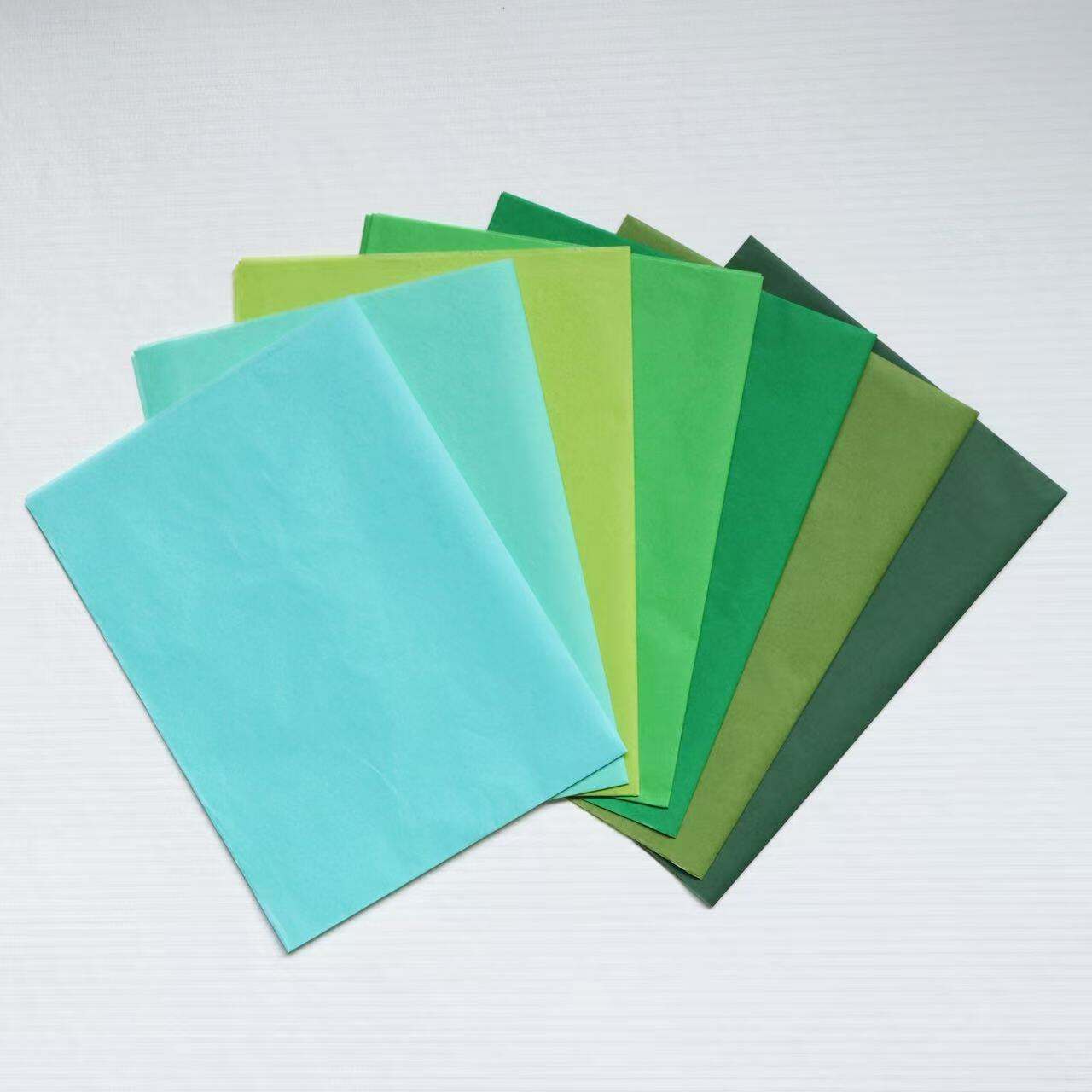
Raw Material Transparency: What Virgin Pulp Composition Reveals About Quality
Premium 26gsm colored tissue relies heavily on virgin pulp rather than recycled materials. The longer fibers found in virgin pulp actually increase tensile strength somewhere around 15 to 20 percent compared to other options. These longer fibers also help hold pigments better throughout the manufacturing process. This means we get fewer patches and inconsistencies in color across the product. What's really interesting is how this stronger structure reduces lint production and keeps fibers intact during the creping stage. Most manufacturers will tell us this matters a lot for both surface appearance and how well printed designs stay sharp. Companies that source FSC certified virgin pulp are showing they care about two things at once: making high quality products while practicing sustainable forestry methods backed by ISO 14001 standards. No recycled materials means cleaner results too, which becomes especially important when talking about products used in cosmetics packaging, food contact situations, or gifts where people expect something pure and trustworthy. Anyone looking at 26g colored tissue should ask suppliers about where their pulp comes from, what kind of certifications they have, and whether they use ECF or TCF bleaching processes. These details matter because they directly affect how colors hold up over time, how soft the tissue feels against skin, and ultimately whether customers perceive it as a luxury item.