 EN
EN
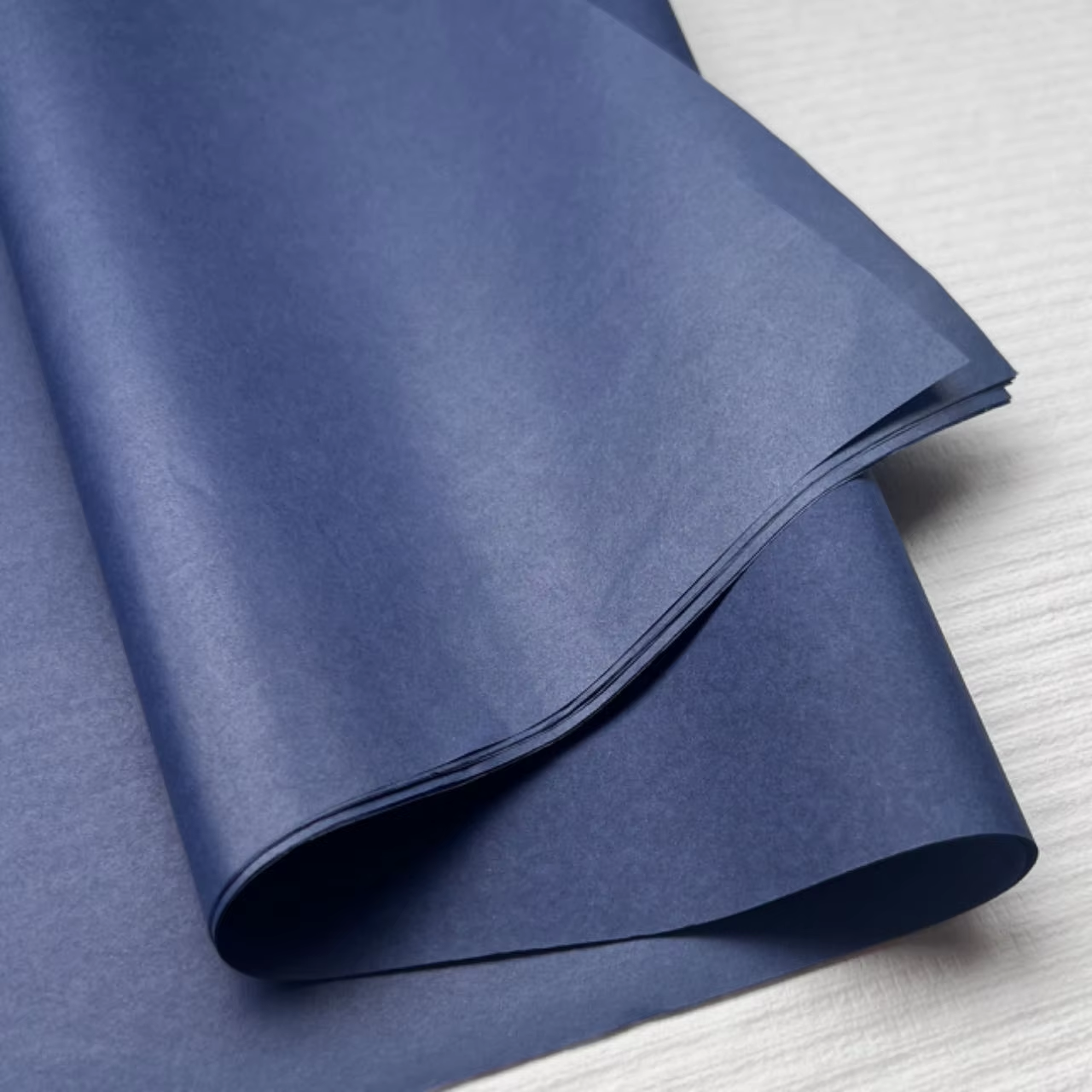
Защо грамажът (14–40 g/m²) е основният показател за производителност при оцветена папирусна хартия
Как грамажът директно управлява мекотата, драпирането, устойчивостта на разкъсване и пригодността за печат
Грамажът (GSM) е единственият най-влиятелен фактор при определяне на тактилните и функционалните характеристики на оцветена тоалетна хартия. С увеличаването на грамажа от 14 g/m² до 40 g/m² всяка характеристика се променя в предсказуем баланс. Хартиите с по-нисък грамаж (14–18 g/m²) осигуряват изключителна мекота и плавно падане — идеални за люкс упаковки за подаръци или маркови вложки, — но жертват устойчивостта срещу разкъсване и могат да се скъсат при умерено натоварване. По-високите грамажи придават по-голяма твърдост, структурна цялост и по-голяма здравина на опън. Според изпитанията по ASTM D646 хартиите с грамаж 20–25 g/m² издържат до 20 % повече триене в сравнение с хартията с грамаж 14 g/m², като намаляват повредите, свързани с транспортирането, с 25–30 % (Институт за професионално опаковане). Подходящостта за печат също се подобрява с увеличаването на грамажа: по-тежките материали по-добре приемат флексографски мастила с по-малко разширение на точките и по-точна регистрация, докато по-леките хартии са подложени на протичане или просветване. За производителите изборът на подходящия грамаж означава балансиране на мекотата, падането, устойчивостта срещу разкъсване и яснотата на печата спрямо конкретната област на приложение.
Избор на грамаж, определян от приложението: Опаковка за подаръци (16–22 g), Луксозна опаковка (24–28 g), Архивно използване (30–40 g)
Всяка област на приложение изисква специфичен диапазон от грамаж, за да се оптимизират разходите и производителността. За опаковане на подаръци и търговски витрини стандартният грамаж е 16–22 г/м² — това осигурява достатъчна плътност за характерния хрущящ звук, без да се компрометира полупрозрачността и елегантността. За опаковане за електронна търговия обикновено се използва грамаж от 22 г/м², който постига оптимален баланс между защита и икономичност. При грамаж 24–28 г/м² се изисква хартия за люксово опаковане — например кутии за скъпи часовници или картонени кутии за парфюми — която има усещане за тежест, но остава достатъчно гъвкава, за да се оформи около продуктите; този диапазон също поддържа дебосиране и фолио-тампониране без разкъсване. В най-горния край на диапазона (30–40 г/м²) хартията се използва за архивни и индустриални цели: разделително опаковане на документи, опаковане на крехки артефакти или подложки за съхранителни контейнери. Повишената устойчивост към разкъсване и непрозрачност осигуряват дълготрайна защита срещу механични повреди и светлинно въздействие. Изборът на подходящ грамаж според функционалните изисквания помага на собствениците на марки да избягнат прекомерно инженерство (което води до загуба на материални разходи) или недостатъчно специфициране (което рискува повреждане на продуктите).
Съгласуваност и стабилност на цвета при производството на оцветена тоалетна хартия
Оцветяване в пулпата срещу повърхностно покритие: постигане на еднороден цвят в диапазона 14–40 г/м²
Съгласуваността на цвета започва с избрания метод за боядисване. Боядисването с паста интегрира багрилата директно в целулозната пулпа преди формирането на листа, прониквайки в цялата структура на влакното и осигурявайки устойчиви, равномерно оцветени оттенъци, които не избледняват. Той работи надеждно в целия диапазон от 14 до 40 г/м², тъй като пигментът е фиксиран в матрицата на влакното. Повърхностното покритие нанася цвета след формирането на листа и позволява по-бързо променяне на цвета, но има риск от неравномерно покритие при леките видове хартия поради високата им абсорбция. При тъканите с плътност 14–22 г/м² боядисването с паста обикновено осигурява по-добра равномерност; по-тежките класове (30–40 г/м²) могат да използват повърхностно покритие само при строго контролирана вискозитет и прилагане. Според индустриалните стандарти хартията, боядисана с паста, поддържа разлика в цвета (ΔE) под 1,5 в рамките на производствена партида от 1000 м, докато при повърхностно покритата хартия средната стойност на ΔE е 2,8 при сходни условия. Производителите, които целят висок обем и постоянство в цвета на тъканите, често предпочитат боядисването с паста за плътности под 25 г/м².
Цветов контрол, сертифициран от Pantone: Спектрофотометрична калибрация и възпроизводимост между партиди
Сертификацията от Pantone изисква цикличен (затворен) цветов контрол — не само съвпадане с проба. Спектрофотометричната калибрация измерва спектралното отражение на интервали от 10 нм, което позволява корекции в реално време на скоростта на подаване на боя или покритието. Това гарантира, че всяка партида съответства на целевата стойност Pantone в рамките на толеранс ΔE ≤ 1,0. За собствениците на марки тази възпроизводимост е от решаващо значение: например производствена серия на луксозна опаковъчна хартия от тънка хартия (24 г/м²) трябва да съвпада точно с архивна серия от по-дебела хартия (38 г/м²), произведена месеци по-късно. Автоматизираните спектрофотометри, интегрирани в хартиената машина, могат да регистрират отклонения и да ги коригират за секунди. Според проучване от 2023 г. в отрасъла предприятията, използващи такива системи, постигат степен на съответствие на цвета между партиди над 98,5 %. Прилагането на тези стандарти елиминира визуалното отклонение, което подкопава доверието в марката при приложенията на оцветена тънка хартия.
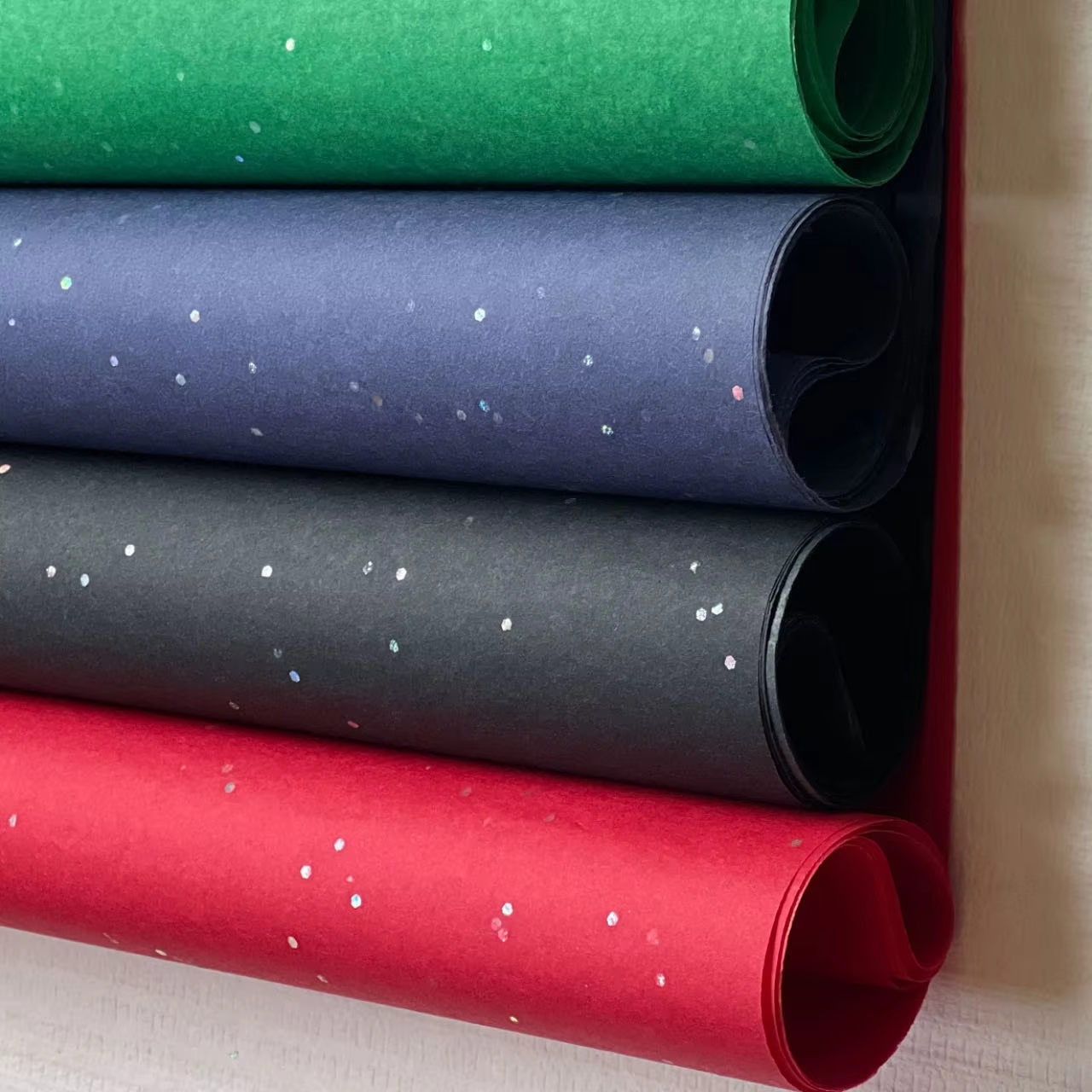
Изпълнение на персонализирано брандиране върху оцветена папироса: над основното отпечатване на логото
Най-добрите практики за флексографско отпечатване: адхезия на мастилото, разширение на точките и минимална ширина на линиите (0,25 pt) за папироса
Флексографското отпечатване върху оцветена папироса изисква внимателна калибрация, за да се предотврати размазването на мастилото, замъгляването или деформацията на шаблона. За диапазона 14–40 g/m² правилният вискозитет на мастилото и изборът на анилокс валче осигуряват равномерно покритие без пренасищане на деликатните влакна. Разширението на точките – при което отпечатаните точки се увеличават върху абсорбиращи материали – обикновено е 10–15 % за папироса и трябва да се контролира чрез твърдостта на печатната плоча и регулиране на налягането. Минималната ширина на линиите не трябва да е по-малка от 0,25 pt, за да се запази остротата и четливостта на фините линии. Добра адхезия на мастилото изисква или повърхностно обработена папироса, или бързоизсъхващи водни мастила, които се свързват здраво, без да се пука при сгъване. Тези параметри позволяват надеждно възпроизвеждане на сложни лога и градиенти – дори върху най-тънките качества.
Ръководство за графичен дизайн, за предотвратяване на проблеми с улавянето, излишъка и изкривяването на шарките при повтарящи се дизайни
Доставчиците трябва да предоставят графични материали с минимален излишък от 3 мм и да запазват критичните елементи (текст, лога) на разстояние поне 5 мм от ръбовете, за да се избегне отрязване по време на дай-кут или гилотиниране. Когато един и същ рулон се използва за повтарящи се шарки, допускът за регистрация трябва да остава в рамките на ±0,5 мм, за да се предотврати забележима неправилна подредба. Улавянето — леко припокриване на съседни цветове на мастилото — изисква минимално стесняване/разширяване от 0,15 мм, за да се елиминират бели пролуки върху не-бяла хартия. Векторни файлове (AI, EPS) с контурни шрифтове и препратки към палитрата Pantone дават най-предсказуеми резултати. Следването на тези насоки гарантира последователно и висококачествено изпълнение на брандирането от етапа на пробното отпечатване до крайното производство.
Цялостност и съответствие на материала: стандарти за безкиселинна, pH-неутрална и произведена в САЩ цветна тисуева хартия
Оцветената тисната хартия, предназначена за архивни или запазващи приложения, трябва да отговаря на строги стандарти за материална цялост, за да се гарантира дългосрочна стабилност. Производството без киселини елиминира лигнин и други кисели съединения по време на производствения процес, предотвратявайки пожълтяването и крехкостта, които могат да възникнат в рамките на 5–10 години при използване на стандартна хартия. pH-неутралният баланс (pH 7) допълнително защитава чувствителни предмети като произведения на изкуството или старинни текстилни изделия от химични реакции, които биха могли да ги разградят. За предприятия, които изискват съответствие с архивни протоколи, изборът на оцветена тисната хартия, произведена в САЩ, обикновено гарантира спазване на признати отраслови стандарти като ANSI/NISO Z39.48 за постоянство. Тази тройка – състав без киселини, pH-неутралност и стандарти за производство в страната – създава надеждна основа за приложения, при които материалната продължителност на живота е неподлежаща на компромис.
Часто задавани въпроси
Какво е значението на GSM при оцветената тисната хартия?
GSM (грама на квадратен метър) определя теглото и дебелината на хартията и влияе върху нейната мекота, драпиране, устойчивост на разкъсване и качество на печата.
Кой GSM е най-подходящ за опаковане на подаръци?
За опаковане на подаръци стандартът е 16–22 г/м², тъй като това осигурява елегантност и полупрозрачност, без да се жертва издръжливостта.
Какво представлява боядисването с пулп в производството на копринена хартия?
Боядисването с пулп включва добавяне на боя в целулозната пулпа преди формирането на листовете, което гарантира равномерни и устойчиви на избледняване цветове по цялата повърхност на хартията.
Как функционира флексографската печатна технология върху оцветена копринена хартия?
Флексографската печат използва точно регулирана вискозитет на мастилото и специализирани ролки, за да се получават ясни и безразмазани отпечатъци дори върху леки хартии.
Защо киселинно-свободната копринена хартия е жизненоважна за архивно съхранение?
Киселинно-свободната копринена хартия предотвратява пожълтяването и охрупването и осигурява дълготрайна защита на чувствителни предмети като произведения на изкуството и семейни реликви.
Съдържание
- Защо грамажът (14–40 g/m²) е основният показател за производителност при оцветена папирусна хартия
- Съгласуваност и стабилност на цвета при производството на оцветена тоалетна хартия
- Изпълнение на персонализирано брандиране върху оцветена папироса: над основното отпечатване на логото
- Цялостност и съответствие на материала: стандарти за безкиселинна, pH-неутрална и произведена в САЩ цветна тисуева хартия
-
Часто задавани въпроси
- Какво е значението на GSM при оцветената тисната хартия?
- Кой GSM е най-подходящ за опаковане на подаръци?
- Какво представлява боядисването с пулп в производството на копринена хартия?
- Как функционира флексографската печатна технология върху оцветена копринена хартия?
- Защо киселинно-свободната копринена хартия е жизненоважна за архивно съхранение?