 EN
EN

Food Paper Wrap: Safe for Food Contact.
Let's talk about something we all encounter daily but might not think much about: the paper that wraps our sandwiches, holds our pastries, or lines a takeaway box. With growing awareness about health and sustainability, more people are asking an important question: Is food paper wrap truly safe for direct contact with what we eat? The short answer is yes, but the real story lies in how it's made and the standards behind it. This article dives into what makes a food paper wrap not just a simple piece of paper, but a reliable and safe partner for your food.
Understanding the Purpose of Food-Safe Wrapping
At its core, food-safe paper serves as a protective barrier. Its job is to keep food clean, preserve its freshness, and sometimes, prevent oils or moisture from making a mess. Unlike regular paper, which might be made from recycled materials containing inks or unknown substances, paper designed for food contact has a clear mission: safety first. This means it must be produced from materials that are non-toxic and will not transfer any harmful chemicals, flavors, or odors to the food. Whether it's a delicate tissue for wrapping chocolates or a sturdier sheet for a greasy burger, the fundamental requirement remains unchanged. For manufacturers, creating a food paper wrap that meets these needs is a commitment that starts at the very foundation of production and continues through rigorous testing.
The Foundation: Materials and Manufacturing Integrity
So, what goes into a safe food wrap? It begins with the pulp. Many reputable producers start with clean, virgin wood pulp from responsibly managed sources. For instance, some advanced thin paper wraps use a specific blend of natural softwood and hardwood pulps as their base. This ensures the starting material is free from contaminants often found in post-consumer recycled paper. But the material science doesn't stop there. To achieve the necessary strength and barrier properties, safe food wraps often incorporate food-grade additives. These can include natural binders like starch, and substances like modified minerals that enhance the paper's performance without compromising safety. The manufacturing environment is equally crucial. Leading facilities operate under strict hygiene and quality control protocols. A commitment to clean production is vital, ensuring that the paper is produced in a way that meets national environmental and safety policies from the very beginning of the process. For a manufacturer, earning recognition as a standardized, safe production enterprise is a significant milestone that reflects this commitment.
Key Safety Features to Look For
When we talk about safety, we're really looking at a few key features that a high-quality food paper wrap provides. Firstly, there's the issue of barrier performance. A good wrap needs some level of resistance to grease and moisture to prevent soggy packaging and potential seepage. This is often achieved through internal sizing techniques or safe coatings that block fluids without being part of the food. Secondly, strength and durability are safety features. A wrap that tears too easily can lead to contamination or spills. Modern food wraps are engineered to be thin yet strong, able to withstand handling without compromising the product inside. Perhaps most importantly, the paper must be chemically inert. This means it should be free from heavy metals, harmful bleaching agents like chlorine (opt for elemental chlorine-free or ECF processes), and migratory dyes. The inks used for any branding or patterns must also be specifically formulated for food contact. Ultimately, the safest products often come from manufacturers who invest in research and hold relevant certifications for their processes, demonstrating a proactive approach to safety.
From Bakery to Kitchen: Everyday Applications
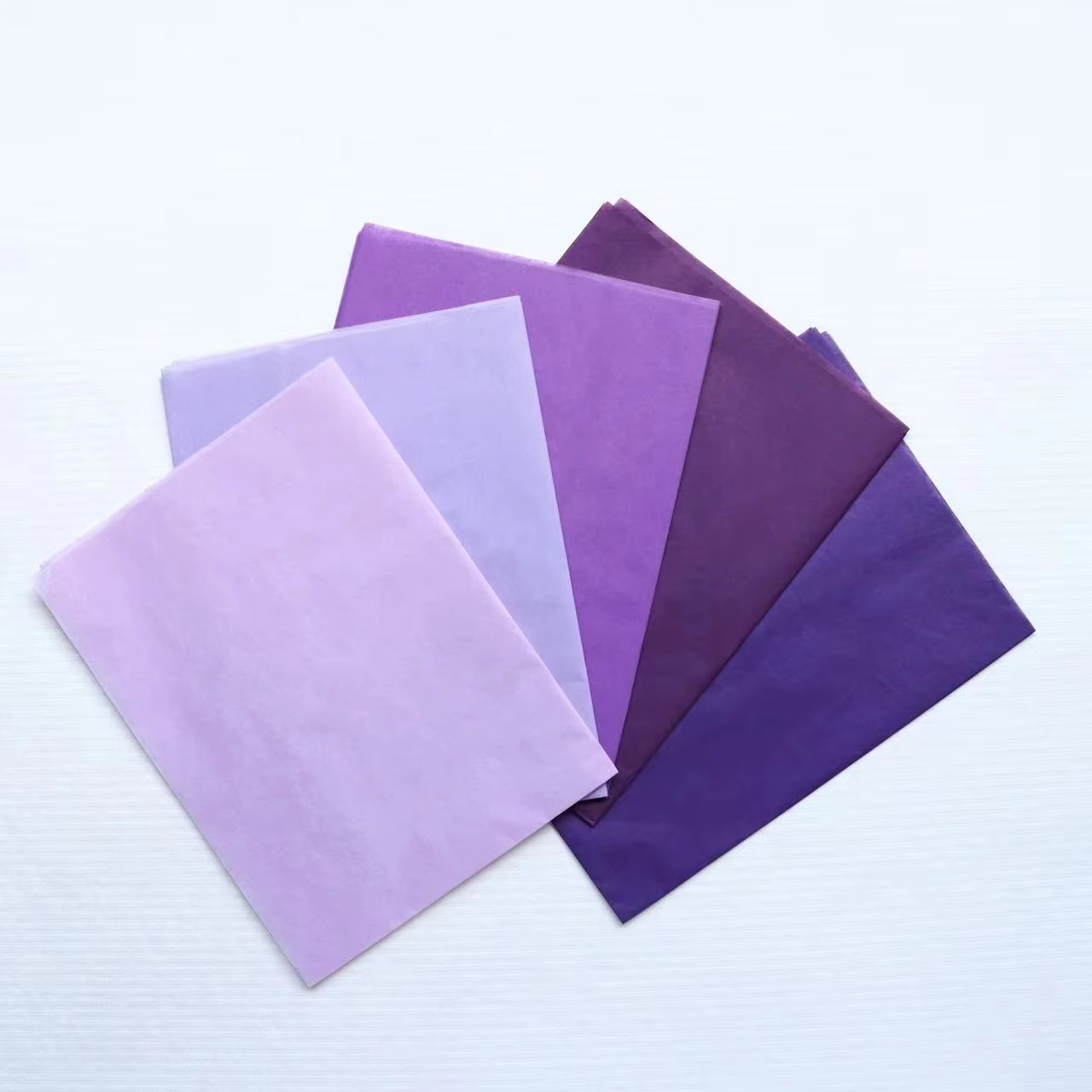
The versatility of safe food paper wrap is what makes it so ubiquitous. In bakeries and cafes, delicate tissue paper is used to hold muffins, croissants, and cookies, allowing them to breathe slightly while keeping hands clean. Butcher shops use stronger, grease-resistant sheets to wrap fresh cuts of meat. In the home kitchen, parchment paper is a staple for baking and cooking, providing a non-stick surface that is heat-resistant and safe in the oven. Beyond direct wrapping, this type of paper is also used to line pastry boxes, separate layers of baked goods, and create attractive presentations for gourmet foods. Its role extends from pure functionality—keeping food safe—to enhancing the overall consumer experience. The global demand for such specialized paper is met by dedicated producers who have built expertise in this niche, often supplying markets worldwide with products that adhere to high international standards.
Choosing the right food paper wrap is more than just picking the nearest sheet. It's about trusting the material that comes into direct contact with your meal. By understanding that safe wraps start with pure materials, are made with integrity in controlled environments, and are designed with specific protective features, consumers and businesses can make informed choices. The next time you unwrap a sandwich or pull a fresh cookie from a bag, you can appreciate the small but significant role that this specially engineered paper plays in delivering your food safely and cleanly.