 EN
EN
Proč je 17 g/m² optimální hmotností pro barevný potravinářský tissue papír
Lehká ochrana versus strukturální pevnost: Jak 17 g/m² brání otlačeninám, aniž by kompromitoval průdušnost
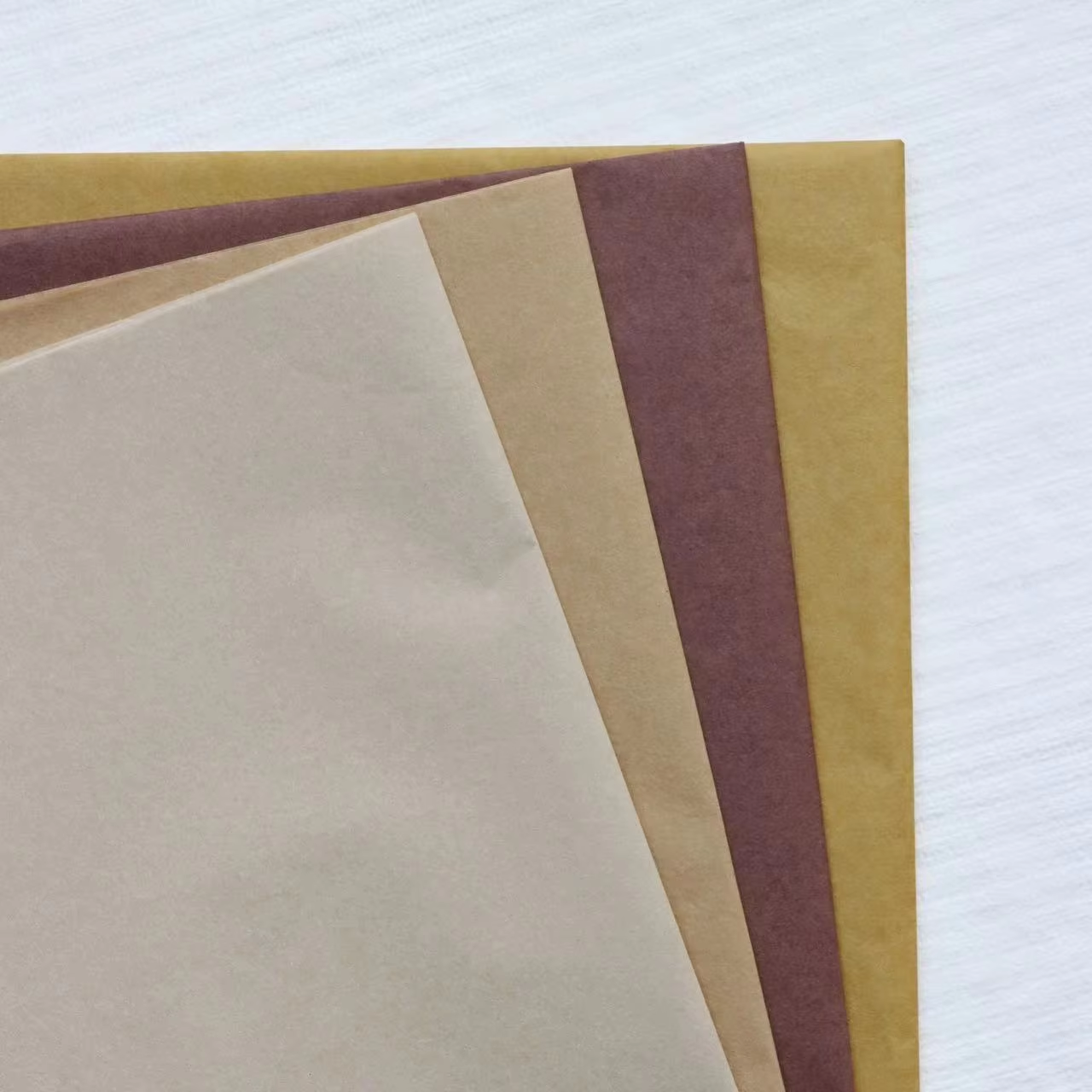
Potravinářsky bezpečný barevný tissue papír o gramáži 17 g/m² nabízí klíčovou rovnováhu mezi ochranou a propustností pro náročné zboží. Tato gramáž poskytuje právě dostatečné tlumení k absorpci mírných nárazů při manipulaci a přepravě – čímž se snižuje mechanické poškození jablek, rajčat a hroznového vína – aniž by stlačoval ovoce, jak to mohou těžší druhy papíru. Jeho jemná, otevřená vláknitá struktura udržuje nezbytný průtok vzduchu a zabrání hromadění vlhkosti, která urychluje rozklad. Výzkum spojuje nesprávné řízení vlhkosti téměř s 20 % ztrát po sklizni u čerstvého ovoce a zeleniny (Postharvest Biology Journal 2022). Klíčově papír o gramáži 17 g/m² umožňuje účinnou difuzi ethylenu – přirozeného látky podporující dozrávání – a tak napomáhá přirozenému prodloužení trvanlivosti bez ohrožení potravinářské bezpečnosti nebo kvality.
Řízení ethylenu a kontrola kondenzace: vědecké pozadí nadřazené regulace vlhkosti papíru o gramáži 17 g/m²
Propustnost barevného tissue papíru o gramáži 17 g/m² umožňuje přesnou kontrolu dvou navzájem souvisejících faktorů: koncentrace ethylenu a kondenzace. Tlustší druhy papíru zadržují ethylen, čímž urychlují dozrávání a měknutí; u gramáže 17 g/m² zůstává výměna plynů kontrolována a postupná. Současně schopnost papíru odvádět vlhkost řídí jak transpiraci ovoce, tak okolní vlhkost. Při teplotních výkyvech během skladování nebo dopravy minimalizuje vnitřní kondenzaci – přebytečnou vlhkost, která podporuje růst plísní a množení bakterií. Studie ukazují, že potraviny uložené bez dostatečné kontroly vlhkosti vykazují během pěti dnů o 30 % vyšší míru zkázy (Food Preservation Quarterly 2023). Gramáž 17 g/m² absorbuje přebytečnou vlhkost, ale zároveň umožňuje dostatečné uvolňování páry, aby nedošlo k napučení – tím zachovává křupkost jablek a pevnost rajčat a hroznového vína po celém dodavatelském řetězci.
Záruka souladu s předpisy: FDA, FSSAI a soulad s požadavky na materiály ve styku s potravinami pro barevný tissue papír
Rozluštění předpisů FDA 21 CFR §176.170 a FSSAI 2.7.1: Co certifikuje označení „potravinářský“ pro barevný tissue
Dodržování předpisů je základem bezpečného potravinářského balení. Podle amerického předpisu FDA 21 CFR §176.170 musí být všechny složky papíru určeného pro styk s vodnými a tukovými potravinami – včetně barviv v barevném tissue – schváleny, uvedeny na seznamu GRAS (Generally Recognized As Safe) nebo pokryty platným oznámením o styku s potravinami (FCN). Indický standard FSSAI 2.7.1 podobným způsobem stanovuje limity migrace a zakázané látky pro papír určený pro styk s potravinami. Označení „potravinářský“ potvrzuje, že celé složení – vlákna, pigmenty a případné povlaky – úspěšně absolvovalo testy migrace za reálných podmínek použití. Tím se zajišťuje, že žádné škodlivé chemikálie nepřecházejí do potravin v množství překračujícím regulační limity. Pro balíkovny znamená ověření dokumentace pro soulad s předpisy FDA i FSSAI záruku právního přístupu na trh a důvěry spotřebitelů.
Nedůvěryhodné barviva, limity těžkých kovů a testování migrace rozpouštědel při výrobě barevného tissue papíru
Bezpečnost závisí na integritě pigmentů a přísnosti výrobního procesu. Regulativní orgány uplatňují přísné limity pro těžké kovy – včetně olova, kadmia, rtuti a chromu – které mohou pocházet ze syntetických barviv nebo z recyklovaných vláken. Jsou povoleny pouze nedůvěryhodná barviva schválená pro kontakt s potravinami a konečné výrobky podléhají testování migrace rozpouštědel, aby se potvrdilo, že žádné летuché organické sloučeniny (VOC) nepřecházejí do potravin. Látky jako PFAS a BPA jsou stále více omezeny nebo zakázány u papíru určeného pro kontakt s potravinami. Renomovaní dodavatelé poskytují zprávy nezávislých zkušebních laboratoří, které dokazují nepřítomnost zakázaných látek – tím poskytují balíčním firmám ověřitelnou jistotu, že jejich obaly splňují požadavky FDA a FSSAI.
Výhody potravinářského barevného tissue papíru specificky pro ovoce a zeleninu
Jablka: Snížení povrchové oxidace a mechanického poškození pomocí barevného tissue papíru o gramáži 17 gsm
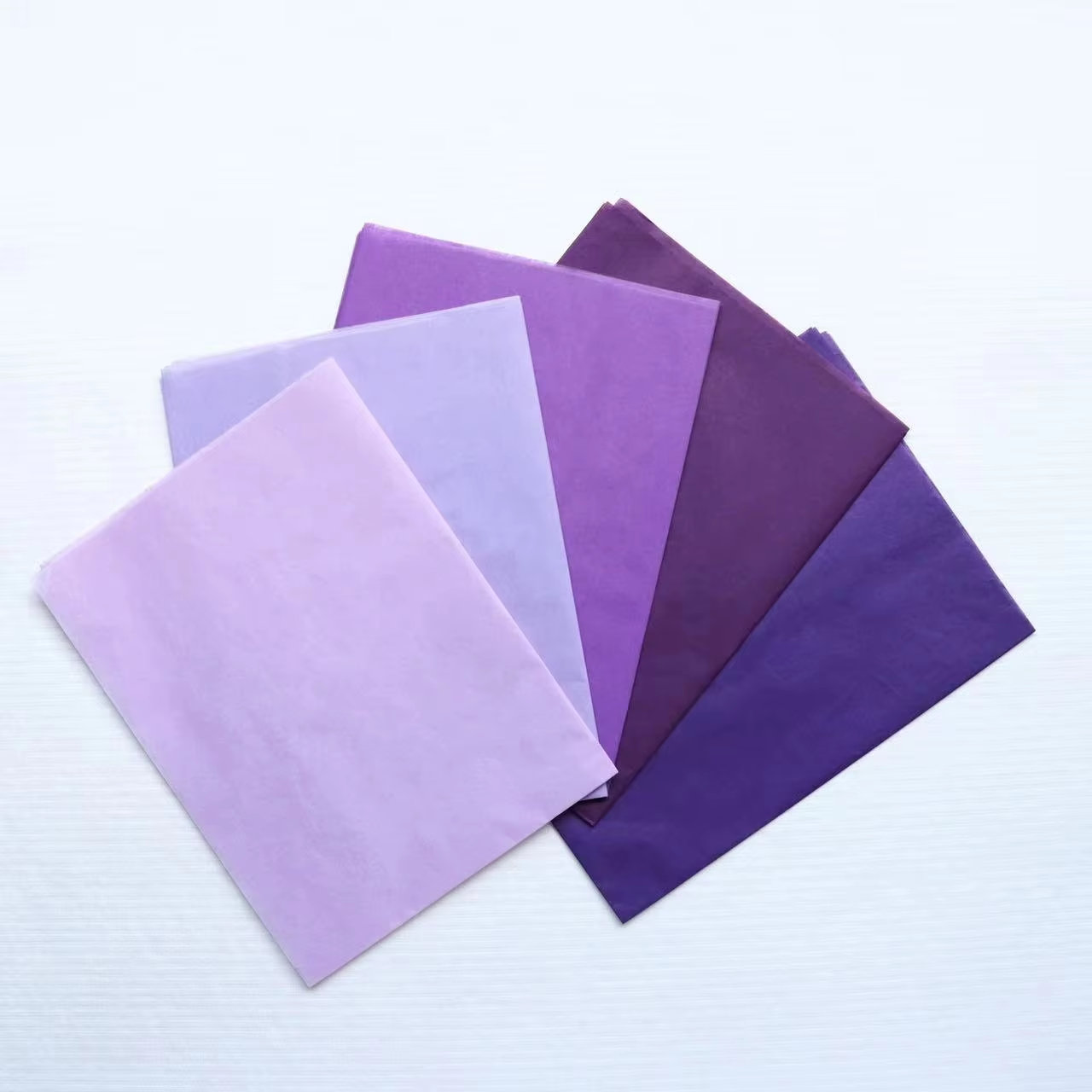
Jablka vyžadují cílenou ochranu, aby si zachovala vizuální atraktivitu a trvanlivost. Potravinářský barevný tissue papír o gramáži 17 g/m² působí jako ideální ochrana proti mechanickému poškození během dopravy a skladování. Jeho lehká vrstva snižuje povrchovou oxidaci omezením přímého kontaktu s vzduchem a zároveň odvádí vlhkost – tím zpomaluje enzymatické hnědnutí. Na rozdíl od těžších obalů umožňuje nezbytnou výměnu plynů a tak brání hromadění ethylenu, který vyvolává předčasné dozrávání. Výrobci uvádějí menší počet mělkých modřin na ramenou a tvářích jablek, čímž se udržuje kvalita odpovídající tržnímu standardu i při prodloužených obchodních obdobích.
Rajčata a hrozny: prevence poškození stonek a ochrana bobulových svazků bez přenosu zbytků
Rajčata a hrozny jsou vystaveny odlišným rizikům – poškození stonek, odpadání bobulí a hnilobě související s vlhkostí. Balení jednotlivých hrozen do barevného tissue papíru o gramáži 17 g/m² poskytuje mírnou ochranu před nárazy bez přenosu barvy nebo vláken. Jeho neabrazivní povrch brání poškození konců stonek sousedními plody, čímž se snižují cesty pro ztrátu vlhkosti a pronikání plísní. U rajčat dýchavá struktura vláken brání vzniku kondenzované vlhkosti na povrchu plodu, což minimalizuje vznik měkkých skvrn. Hrozny zůstávají neporušené, protože papír se volně přizpůsobuje každému hroznoví a eliminuje tření, které by mohlo zlomit křehké řapíky. Výsledkem je zboží, které dorazí do prodejních míst s nedotčeným voskovým povrchem, pevností a strukturální celistvostí.
Nejčastější dotazy
Co je tissue papír o gramáži 17 g/m²?
gramáž 17 g/m² označuje hmotnost tissue papíru na metr čtvereční. Je lehký a ideální pro použití například v potravinářském balení, neboť nabízí dýchavost i ochranu, aniž by kompromitoval stav zboží.
Proč je tissue papír o gramáži 17 g/m² ideální pro křehké ovoce?
Jeho lehká struktura s otevřenými vlákny pomáhá pohltit mírné nárazy, zabrání otlačeninám a zajišťuje průtok vzduchu, čímž reguluje obsah vlhkosti a úroveň ethylenu – klíčové faktory snižující kazivost.
Je tissue papír o gramáži 17 g/m² schválený FDA a FSSAI?
Ano, pokud je vyráběn z potravinářsky bezpečných barviv a materiálů splňujících požadavky FDA 21 CFR §176.170 a FSSAI 2.7.1, tissue papír o gramáži 17 g/m² splňuje regulační normy pro kontakt s potravinami.
Jak tissue papír o gramáži 17 g/m² brání plísním a kazivosti?
Řídí transpiraci ovoce, pohlcuje přebytečnou vlhkost a reguluje výměnu plynů, čímž brání kondenzaci – což je rozhodující faktor pro snížení růstu plísní a kazivosti.
Lze tissue papír o gramáži 17 g/m² použít pro více druhů ovoce?
Ano, je univerzální a vhodný pro křehké zemědělské produkty, jako jsou jablka, rajčata a hrozny, a poskytuje cílenou ochranu proti různým rizikům, například odřeninám, otlačeninám a rozkladu souvisejícímu s vlhkostí.
Obsah
-
Proč je 17 g/m² optimální hmotností pro barevný potravinářský tissue papír
- Lehká ochrana versus strukturální pevnost: Jak 17 g/m² brání otlačeninám, aniž by kompromitoval průdušnost
- Řízení ethylenu a kontrola kondenzace: vědecké pozadí nadřazené regulace vlhkosti papíru o gramáži 17 g/m²
- Záruka souladu s předpisy: FDA, FSSAI a soulad s požadavky na materiály ve styku s potravinami pro barevný tissue papír
- Výhody potravinářského barevného tissue papíru specificky pro ovoce a zeleninu
- Nejčastější dotazy