 EN
EN

Premium Colored Tissue Paper: High-Quality for Luxury.
What Makes Tissue Paper 'Premium'? Material, Performance & Precision
17 gsm GSM Standard: The Goldilocks Weight for Strength, Drape, and Translucency
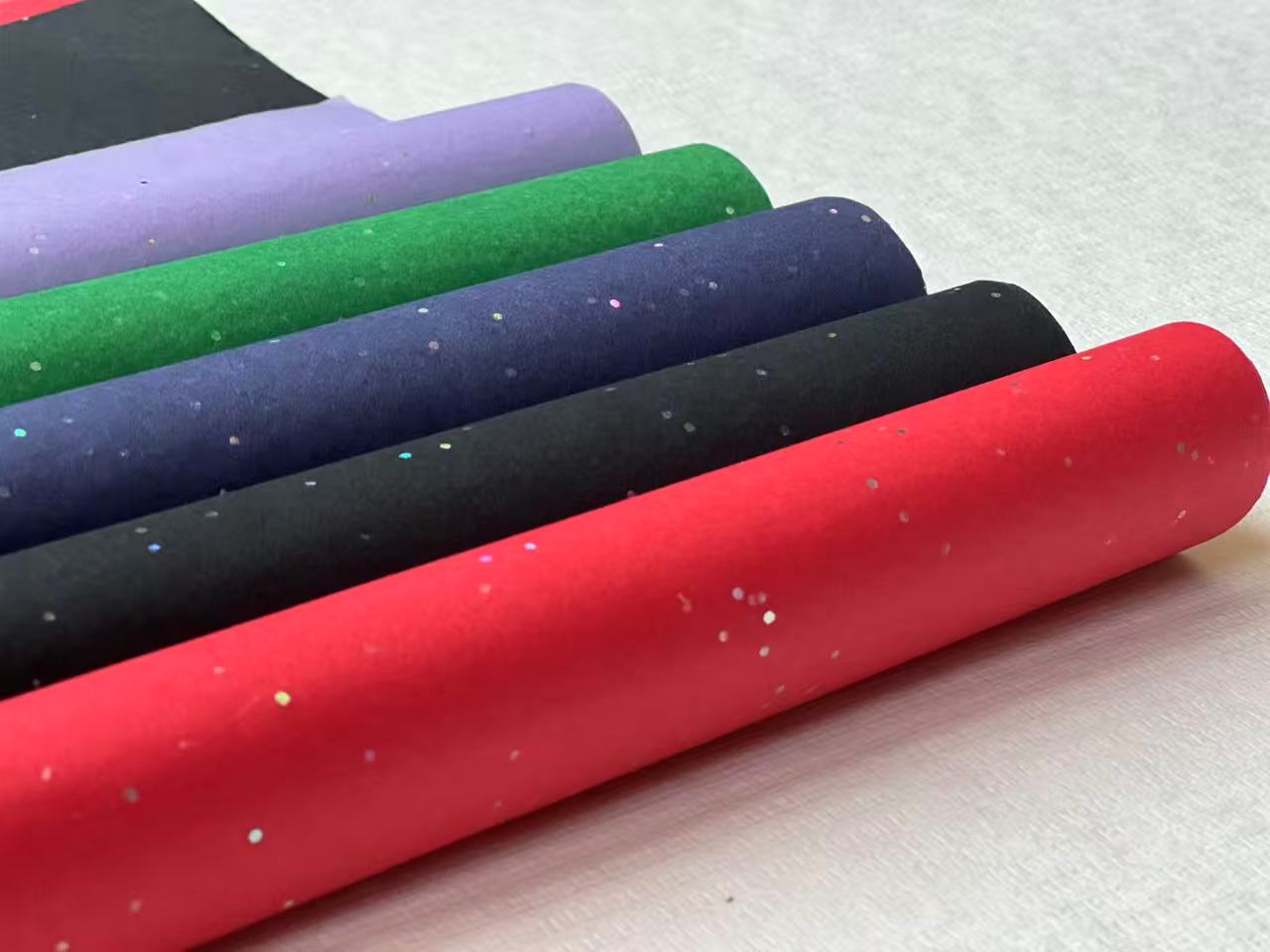
What makes premium colored tissue paper truly luxurious? It all comes down to the material science behind it, specifically the 17 grams per square meter standard that manufacturers stick to. At this weight, there's just the right amount of fibers packed together so the paper won't tear easily when someone is wrapping gifts or handling it around the house. But here's what really sets it apart from cheaper alternatives: despite being thick enough for durability, it stays remarkably thin. This allows the paper to flow gracefully over curved surfaces and let in gentle, scattered light that adds atmosphere to any package. The slight see-through quality creates this wonderful effect where unwrapping becomes almost like peeling back layers of mystery, but still keeps the actual contents hidden until the very end. Most people have probably experienced those heavy tissues that either become rigid or break apart at the first fold. Not so with 17gsm paper though. It bends nicely without losing its integrity, making it perfect for protecting fragile objects inside multi-layered gift boxes where every detail matters.
Core Premium Attributes: Softness, Tear Resistance, Color Hold, and Consistent Sheet Uniformity
Four interdependent qualities define true premium performance:
- Silky softness, achieved through refined fiber processing and minimal sizing, delivers immediate tactile luxury;
- Engineered tear resistance, enabled by optimized fiber bonding and uniform sheet formation, prevents snags or splits during use;
- Superior color hold, rooted in pigment-based color systems (not dyes), ensures vibrancy remains intact despite light exposure, friction, or stacking;
- Rigorous sheet uniformity, with consistent thickness, surface texture, and edge integrity across every sheet, eliminates visual or functional flaws that erode perceived quality.
Together, these attributes elevate tissue from utilitarian filler to a deliberate sensory extension of brand identity—where even the sound and feel of crumpling reinforce exclusivity.
Premium Colored Tissue Paper in Luxury Branding: Unboxing, Gifting & Visual Identity
Custom Color Matching & Logo Embossing: Elevating Unboxing into a Signature Brand Moment
Brands that go the extra mile with Pantone approved colors and those little touches like embossed logos turn their packaging into something customers actually remember. Think about it this way: opening a package feels completely different when it's been thoughtfully designed versus just slapped together. According to Packaging Digest from last year, around three out of four people see products as more valuable when the box looks intentionally crafted. Plus, folks tend to share these kinds of packages online about 30% more often than regular ones. What happens next? That tissue paper or special wrapping material acts almost like a hidden salesperson. The moment someone touches it, they recognize the brand without even realizing it. And before long, customers start telling stories about their experience with the product simply because the packaging made such an impression on them.
Cross-Industry Applications: Beauty Retail, Bridal Boutiques, High-End Gifting, and Styling Studios
Each sector leverages premium tissue’s versatility with distinct strategic intent:
- Beauty retail uses saturated, fade-resistant colors to amplify product allure while safeguarding fragile cosmetics from abrasion and moisture transfer;
- Bridal boutiques select ultra-soft pastels and pearlized finishes to evoke elegance and sentiment, lifting perceived luxury by 40% in curated gift presentations;
- Premium gifting services layer multiple complementary sheets to build narrative rhythm and anticipation—68% of recipients reuse the paper, extending brand visibility beyond the initial moment;
- Styling studios deploy tissue as a final, cohesive finish for delivered wardrobes, reinforcing premium positioning through consistent color palettes and refined textural cues.
Vibrant, Fade-Resistant Color Integrity: Science Behind Lasting Hue Performance
Pigment vs. Dye Systems: How Premium Colored Tissue Paper Maintains Richness Across Light & Time
Premium colors last much longer because they're made with pigments instead of those water soluble dyes everyone else uses. Think about it this way: pigments are basically tiny particles that get locked into the paper itself during production. These little guys form a sort of shield against UV light and stop oxidation from eating away at the color over time. Tests show most pigment based inks keep around 95% of their original brightness even after being blasted with artificial sunlight for over 500 hours straight. That kind of durability matters a lot for things like store displays or product packaging that needs to look good on shelves for months. Another big plus? Pigments don't run when they meet moisture or come into contact with stuff like makeup or fabric, which is exactly what happens to dye based inks that tend to bleed all over everything. Sure, dyes might look brighter at first glance and cost less upfront, but they just can't hold their own long term. For high end products where consistent coloring matters across all customer interactions, there really isn't any alternative to using pigment systems if brands want their colors to stay true through every stage of the consumer journey.
Sustainability as a Luxury Signal: Certifications, Materials & Consumer Trust
FSC Certification, Acid-Free Formulation, and Compostable Bamboo or Eucalyptus Pulp
For today's discerning luxury consumer, sustainability is not a compromise—it’s a prerequisite of premium status. Leading manufacturers meet this expectation through three foundational commitments:
- FSC certification, verifying responsibly managed forests and chain-of-custody transparency;
- Acid-free formulation, preventing yellowing, brittleness, and color leaching over time—essential for archival-quality gifting and heirloom presentation;
- Rapidly renewable fibers, such as bamboo or eucalyptus pulp, which decompose fully within 8–10 weeks in industrial composting environments.
Around two thirds of people who buy luxury goods actually care quite a bit about what kind of materials go into their product packaging. For many brands today, showing off those green credentials has become pretty much essential for building customer trust. When packages come with clear labels that show independent certifications and where the fibers came from, something simple like tissue paper stops being just throwaway stuff and starts making a real statement about ethics instead. Luxury companies are figuring out that it's possible to maintain high standards while still caring about the environment. The market is proving that sustainability doesn't have to clash with luxury anymore. These days, they're starting to walk hand in hand across the fashion and retail industries.